If you want a South Coast town that feels connected to the water without giving up everyday convenience, Dartmouth deserves a closer look. Life here is not one-note. You can find harbor views, village streets, shopping corridors, beaches, wooded areas, and working farmland all within the same town. That variety is a big reason Dartmouth appeals to both buyers and sellers who want a place with character and flexibility. Let’s take a closer look at what everyday coastal living in Dartmouth, MA really feels like.
What Dartmouth Feels Like Day to Day
Dartmouth sits on the South Coast in Bristol County, about 60 miles south of Boston and 30 miles east of Providence. The town had an estimated 2024 population of 34,139, which gives it a solid year-round presence without feeling overly dense. For many people, that balance is part of the appeal.
What makes Dartmouth stand out is its mix of settings. Town planning materials describe a landscape that includes shoreline to the south, forested uplands to the north, and farms and conservation land in between. In practical terms, that means your daily routine can feel coastal in one area, rural in another, and more suburban near Route 6 and Interstate 195.
Dartmouth’s Village Pattern Still Matters
Dartmouth is not just one uniform stretch of homes and roads. It has a village pattern that still shapes how people experience the town. That local identity shows up in places like Padanaram, Russell Mills, Smith Mills, and Hixville.
The Dartmouth Heritage Trail helps tell that story. It links 10 founding villages through a 35-mile bike loop that moves through upland areas, farms, conservation land, vineyards, and beaches. Even if you never ride the full loop, it reflects something important about Dartmouth: each part of town has its own pace and setting.
Housing Feels Varied, Not Cookie-Cutter
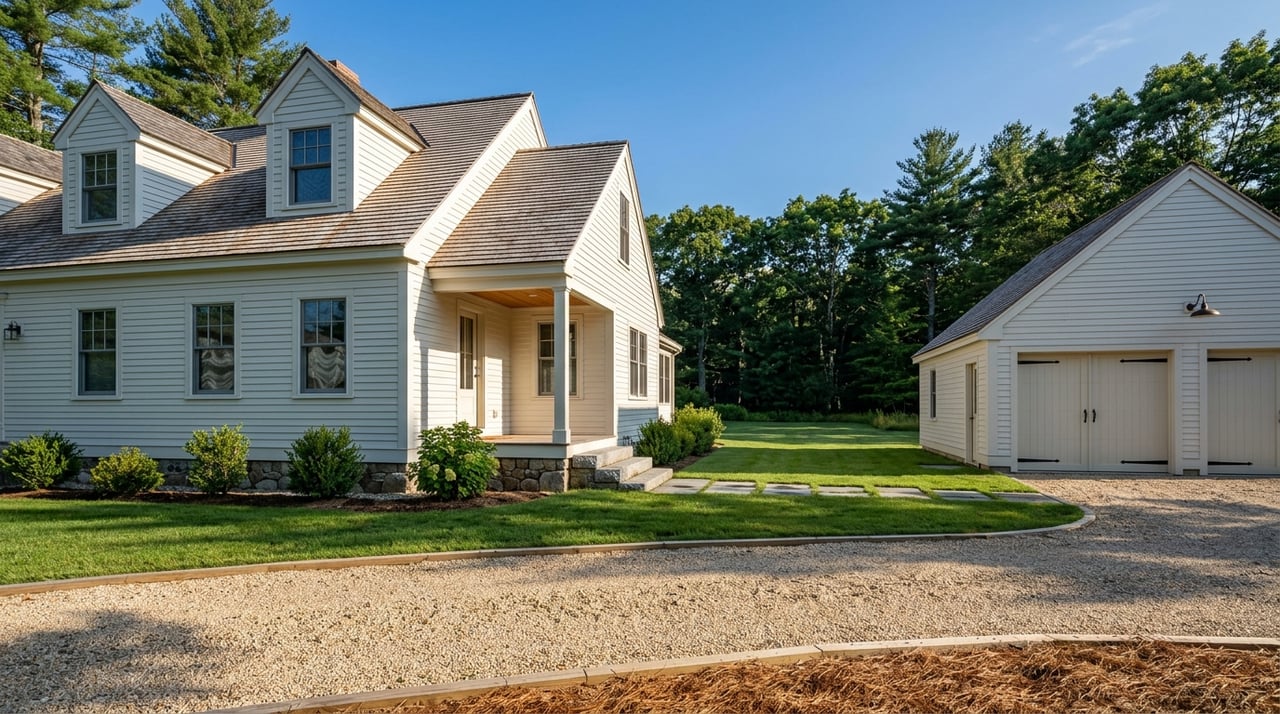
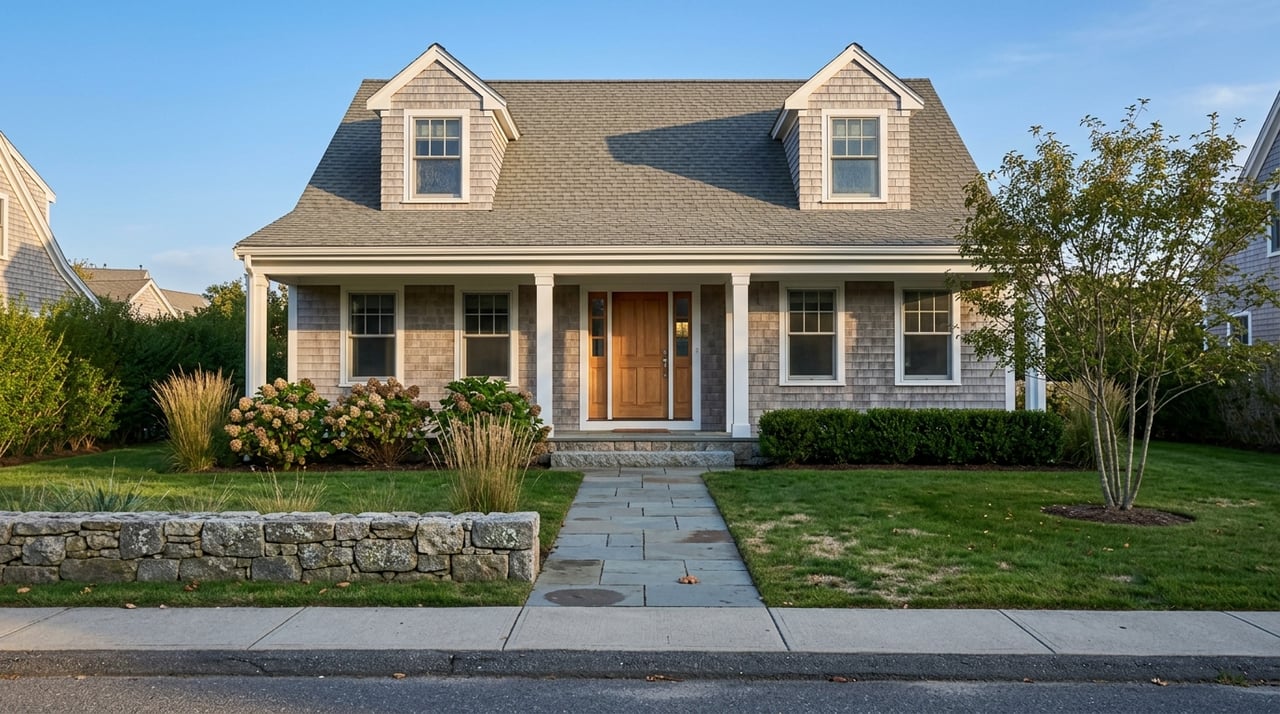
If you are exploring homes in Dartmouth, you will likely notice that the housing stock changes from one area to the next. This is not a town where every neighborhood looks the same. That can be especially helpful if you want options in style, setting, and day-to-day feel.
In Padanaram, town materials describe a compact mix of year-round and seasonal residences, along with civic, business, and multifamily uses near the village center. The harbor area also keeps much of its historic character, with homes and period commercial buildings shaping the waterfront streetscape. That creates a more village-centered coastal feel than you might find in other parts of town.
In older village areas, historic records show a range of property types and eras. Dartmouth includes homes and structures tied to earlier periods as well as areas that developed more fully in the mid-to-late 20th century. As a result, your home search may include everything from historic pockets to more contemporary residential settings.
The town also appears to have a relatively settled housing base. Census data shows that 76.0% of housing is owner-occupied, with a median owner-occupied home value of $496,500 and a median gross rent of $1,462. For buyers and sellers alike, that points to a community where many residents have long-term ties to place.
Coastal Living Here Is Practical Too
In some towns, coastal living can sound more like a weekend idea than a daily reality. Dartmouth offers a more grounded version. The shoreline and harbor are part of regular life, but so are errands, commuting, and access to services.
The town manages more than 300 acres of public parkland, including neighborhood recreation areas, oceanfront beaches, and a regional facility. That means public outdoor space is not limited to one destination. Instead, it is woven into daily routines across town.
A few of the best-known spots help show what that looks like:
- Jones Park has a sandy beach, bathhouse, sports field, picnic tables, horseshoe pits, and playground equipment.
- Apponagansett Park offers harbor views, a sandy beach area, picnic space, playground features, and court amenities.
- Demarest Lloyd State Park includes an 1,800-foot saltwater beach along the Slocum River, with dunes, beach grass, and marsh edge scenery.
Town open-space materials also identify three town-owned beaches: Jones Park, Apponagansett Park, and Round Hill Beach. For many residents, access to these places is part of what makes Dartmouth feel distinctly coastal without feeling resort-like.
Water Access Is Part of the Lifestyle
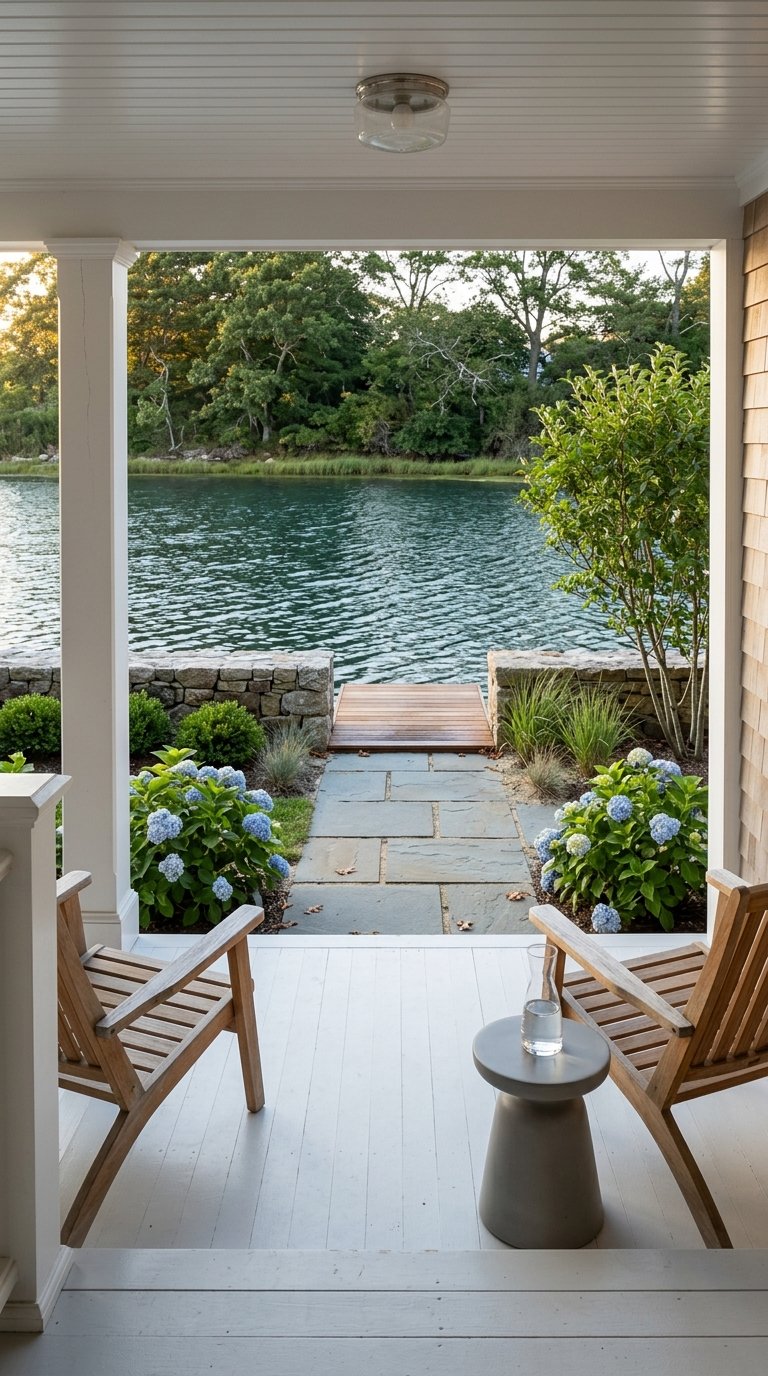
If your idea of home includes being near the water, Dartmouth offers more than just views. Waterfront use is part of the rhythm of the town. Swimming, boating, fishing, and small-watercraft recreation all play a role in the local lifestyle.
The town harbormaster manages moorings in Padanaram Harbor and the Arthur F. Dias town boat landing. Apponagansett Bay is described by the town as a place for swimming, fishing, boating, and yachting. Inland, the Paskamansett River adds another layer, with opportunities for canoeing, kayaking, and birding.
For buyers, that can mean looking beyond the house itself and thinking about access. Depending on where you focus your search, you may be choosing between village convenience, harbor proximity, beach access, or a quieter inland setting with room to spread out.
Getting Around Dartmouth
Even in a coastal town, daily life still depends on how easily you can move around. Dartmouth’s main travel spine is Route 6 and Interstate 195, with Reed Road and Faunce Corner Road serving as key I-195 access points. If you commute or travel often for errands, those corridors matter.
The Census Bureau reports a mean one-way commute time of 26.6 minutes. That gives you a useful snapshot of the daily pace for many residents. While commute times vary by destination, Dartmouth supports a lifestyle that can blend local living with regional access.
Public transportation is available through SRTA, which serves Dartmouth and nearby South Coast communities with fixed-route and demand-response service. In the New Bedford network, that includes Dartmouth Street and Dartmouth Mall service. For some residents, that adds practical support for errands and local trips, even though the area remains largely car-centered.
Regional rail access also expanded in 2025 with the launch of South Coast Rail service to New Bedford and Fall River. For Dartmouth residents, that adds a nearby rail option into the broader Boston commute network. It is one more sign that Dartmouth can support both local living and wider regional connection.
A Small Local Detail That Can Matter
One of the most local details in Dartmouth is the Padanaram Bridge schedule. The town announced that 2026 seasonal bridge openings begin on May 1 and follow a regular daytime pattern. If you spend time in the harbor area, that can affect short trips during warmer months.
This may sound like a small thing, but it is a good example of what everyday local knowledge looks like. When you are choosing where to live, the feel of daily movement often matters just as much as the headline features.
Everyday Amenities Support the Lifestyle
Dartmouth’s appeal is not only about scenery. It also has the practical anchors that support day-to-day life. The town’s commercial district serves as a regional shopping area, which helps make errands and services more convenient.
The university presence adds another dimension. UMass Dartmouth has 7,968 students on a 710-acre campus with wooded trails, ponds, athletic fields, and residence-life facilities. UMass Law is also located in Dartmouth on Faunce Corner Road, adding to the educational and professional activity in town.
That mix of commerce, campus energy, and open space gives Dartmouth a broader everyday base than some shoreline communities. You can enjoy coastal features while still being close to shopping, services, and regional routes.
Why Dartmouth Appeals to Different Buyers
One of Dartmouth’s strengths is that it does not fit just one kind of buyer. Some people are drawn to the harbor and village atmosphere of Padanaram. Others want access to beaches and outdoor recreation. Some are more focused on commuting convenience near Route 6 or I-195.
You may also be looking for a home that feels tied to the landscape, whether that means a historic setting, a more suburban layout, or a property near conservation land and open space. Dartmouth makes room for those different priorities. That flexibility is a big part of its staying power in the South Coast market.
What Sellers Should Keep in Mind
If you own a home in Dartmouth, your property’s story likely matters as much as the square footage. Buyers may be responding to village character, beach access, harbor proximity, commuting routes, or the contrast between coastal and inland settings. A thoughtful marketing approach should bring those location details into focus clearly and calmly.
Because Dartmouth has such a varied layout, sellers benefit from pricing and positioning that reflect the home’s specific setting within town. A property near Padanaram may speak to a different buyer than one near Faunce Corner Road or in a quieter inland area. Understanding that nuance helps create a stronger, more accurate market presentation.
Dartmouth Offers a Layered Coastal Life
The best way to describe Dartmouth may be this: it gives you options. You can enjoy a harbor village feel, public beach access, open land, commercial convenience, and regional connectivity all within one town. That does not make it feel generic. It makes it feel layered.
For buyers, that means more ways to find the right fit. For sellers, it means your home is part of a town with a clear identity but more than one lifestyle story to tell. If you are considering a move in Dartmouth or elsewhere on the South Coast, working with a local advisor who understands those differences can make the process much clearer.
If you are thinking about buying or selling on the South Coast, Diana Martin offers calm, knowledgeable guidance rooted in local experience. Whether you are weighing lifestyle fit, timing, or value, you can count on clear communication and thoughtful support every step of the way.
FAQs
What is everyday life like in Dartmouth, MA?
- Everyday life in Dartmouth blends coastal access, village character, shopping areas, open space, and commuter routes, with different parts of town offering different rhythms and settings.
What makes Dartmouth, MA feel coastal?
- Dartmouth has a Buzzards Bay shoreline, harbor areas, public beaches, boating access, and waterfront parks that make the water part of daily life rather than just a seasonal attraction.
What types of homes can you find in Dartmouth, MA?
- Dartmouth has a varied housing stock that includes homes in historic village areas, year-round and seasonal residences near Padanaram, multifamily housing in some locations, and more contemporary residential areas.
Is Dartmouth, MA good for commuting?
- Dartmouth is connected by Route 6 and Interstate 195, has a reported mean one-way commute of 26.6 minutes, offers SRTA bus service, and has nearby access to South Coast Rail service through New Bedford.
Are there beaches and parks in Dartmouth, MA?
- Yes. The town manages more than 300 acres of public parkland and includes places such as Jones Park, Apponagansett Park, Round Hill Beach, and nearby Demarest Lloyd State Park.
Why do buyers consider Dartmouth, MA?
- Buyers often consider Dartmouth for its mix of coastal lifestyle, neighborhood variety, public outdoor access, village settings, and practical convenience for errands and regional travel.