Dreaming about a home with extra breathing room? In Carver, land can be one of the biggest draws, but buying a home with acreage is not quite the same as buying a standard house lot. If you are looking for privacy, room for gardens, outbuildings, animals, or future flexibility, it helps to understand how Carver’s zoning, wetlands, utilities, and taxes can shape what that land really means. Let’s dive in.
Why Carver appeals to land buyers
Carver stands out because land is a major part of the town’s identity. The town’s master plan reports that 85% of Carver is zoned Residential Agricultural, and that agriculture accounts for 50.5% of the town’s land area. Residential uses make up a much smaller share, at 19% of land area.
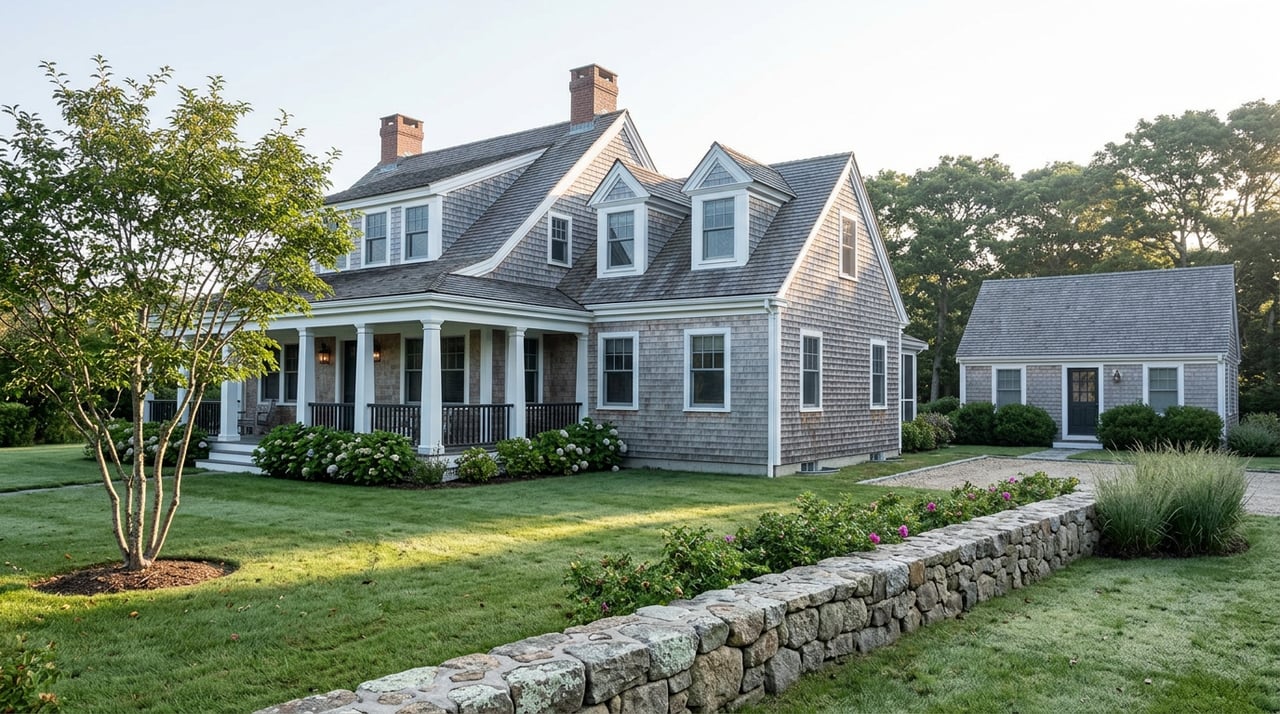
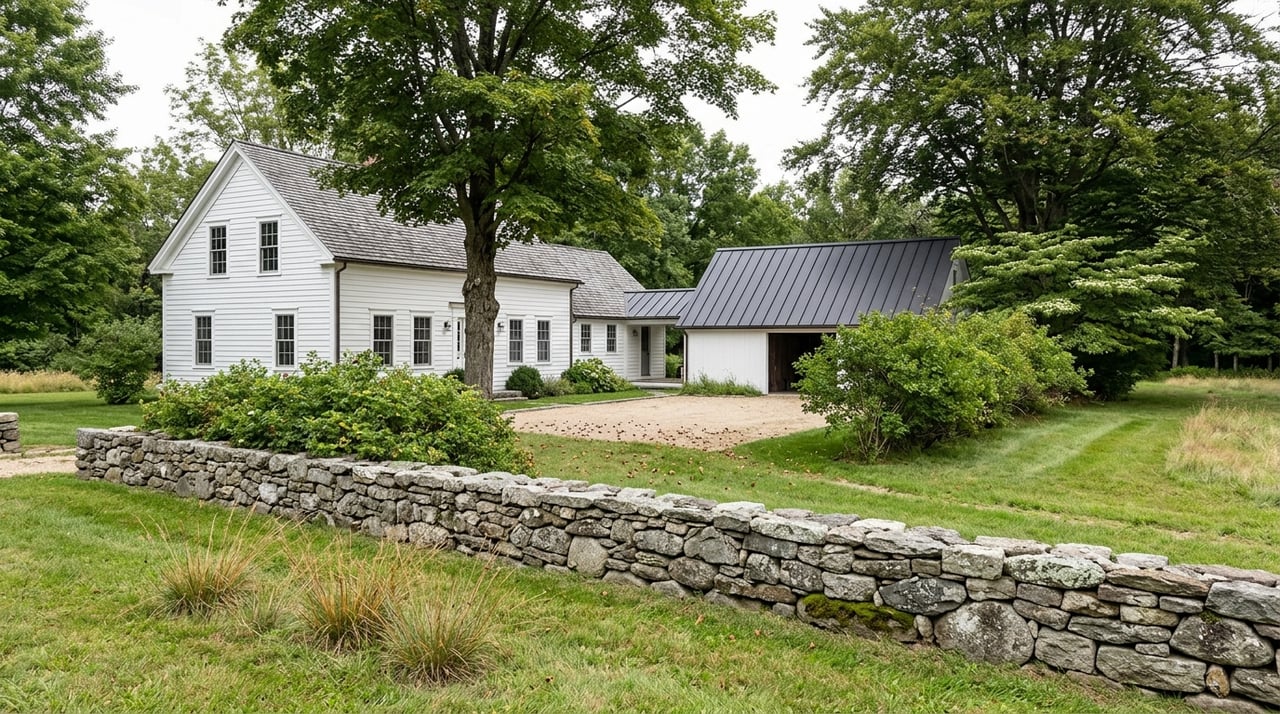
That pattern helps explain why homes with land are such a meaningful part of the local market. You are not just looking at house lots tucked into dense development. In many parts of Carver, larger parcels, agricultural character, and open space are part of the setting.
Carver also offers a balance that many buyers want. You can find a more spacious property while still having regional access through Route 58 and Route 44, plus commuter rail options in Halifax, Middleboro, and Plymouth. Recreation also adds to the appeal, with places like Myles Standish State Forest, Johns Pond, Sampson’s Pond, and local trail systems nearby.
What “homes with land” means in Carver
In Carver, acreage does not always translate into the same type of opportunity from one property to the next. The town’s Residential Agricultural district requires a minimum lot size of 60,000 square feet, which is about 1.4 acres, along with 150 feet of frontage and a maximum building coverage of 30%.
Just as important, the bylaw says that at least 70% of the minimum lot size must be dry land. It also says narrow portions under 40 feet wide do not count toward minimum lot-size calculations. In simple terms, a parcel may look large on paper, but what matters most is how much of that land is actually usable.
That is why buyers should think beyond the total acreage number. A property with less land but better access, stronger upland area, and a more practical layout may offer more day-to-day value than a larger parcel with major constraints.
Lot size and value can vary widely
Recent listing and sale examples show how wide the range can be in Carver. One home at 11 Redtail Lane was listed at $1.035 million on 0.75 acres, while 23 Bow Street was listed at $589,000 on 0.92 acres. Another property at 96 S Meadow Road sold for $655,000 on 1.48 acres, while 179 Center Street was listed at $670,000 on 4.56 acres.
There are also larger land offerings in play. Buildable parcels over 5 acres included 16 S Main Street at $550,000 for 5.35 acres and 6 Crescent Road at $655,900 for 5.66 acres. That spread suggests a simple but important point: acreage alone does not set value.
In Carver, pricing often reflects a mix of factors such as buildability, site readiness, access, house condition, and usable upland. If you are comparing properties, it is smart to ask not just how much land there is, but how functional that land is for your goals.
Common reasons buyers want land in Carver
For many buyers, land offers flexibility that is hard to find on a smaller lot. Depending on the parcel and permits, that space may support lifestyle features such as:
- A larger yard or more privacy
- Gardens or agricultural uses
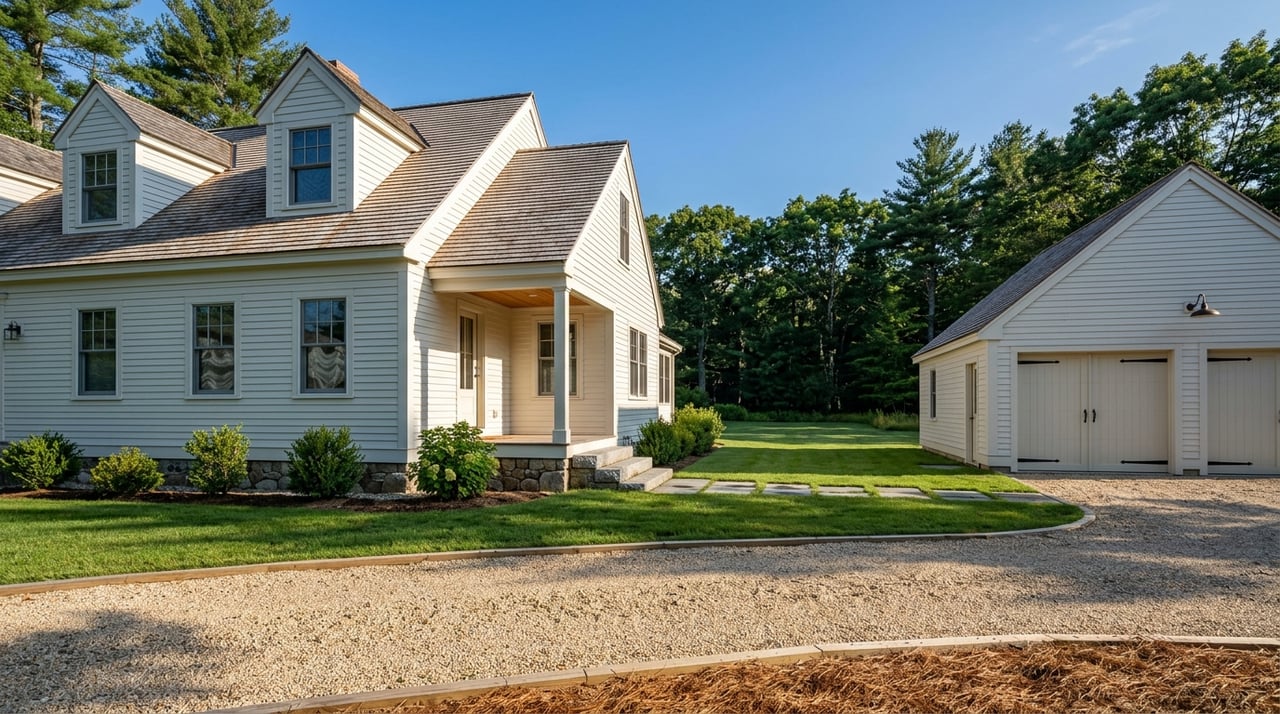
- Outbuildings such as sheds or barns
- Space for animals, subject to local requirements
- Future accessory housing options
Carver already allows accessory dwelling units under 900 square feet by-right in single-family zoning districts. That can make some properties especially appealing if you want room for extended household use or added flexibility later on.
At the same time, improvements usually require more than a simple idea. The Building Department says permits are commonly required for work such as sheds, barns, decks, and pools, and the Board of Health has a separate permit path for horses and manure management. If you have a specific use in mind, early confirmation matters.
Why zoning matters before you buy
One of the biggest mistakes buyers make with land is assuming all large parcels work the same way. In Carver, they do not. The zoning map includes residential, business, village, industrial, airport, and SSID districts, along with several overlay districts.
Those overlays include the Water Resource Protection District, Wetland District, Planned Tourist Commercial District, Wireless Communication Facilities District, Planned Neighborhood Development Overlay District, and Landfill Overlay District. A property’s zoning and overlay status can affect what you can build, improve, or change.
This is especially important if you are buying for a future plan rather than just the home as it stands today. Whether you hope to add structures, create an ADU, keep animals, or change how part of the land is used, zoning should be one of your first checkpoints.
Wetlands and upland can change the picture
In Carver, wetlands, bogs, and flood-prone areas can have a big effect on usability. The Wetland District is an overlay district, and its allowed uses include agriculture, cranberry-related activity, forestry, passive recreation, conservation, and foot, bicycle, or horse paths.
More intensive work may require a special permit and compliance with the Wetlands Protection Act. The Water Resource Protection District also exists to protect groundwater and surface water for residents, cranberry growers, institutions, and businesses.
For buyers, the takeaway is clear. If part of a parcel includes wetlands or similar protected areas, you should not assume the whole site can be improved in the way you want. A large lot may still have limited practical building area, which is why usable dry land matters so much.
If you may split land, check frontage early
Some buyers are interested in extra land for long-term flexibility, including the possibility of dividing a parcel in the future. In Carver, that kind of plan depends heavily on frontage and subdivision rules.
Rear lots are allowed only in the Residential Agricultural district and must be at least 3 acres with the required building line and at least 40 feet of frontage or width. For larger projects, Carver zoning includes Conservation Subdivision Design for five or more lots in the RA district by special permit.
The Planning Board handles subdivision review, so this is not an area for assumptions. If future division is part of your buying strategy, it is worth checking the details before you make decisions based on potential that may not exist.
Septic, wells, and permits deserve early attention
Homes with land often come with more private-site considerations, especially if the property uses septic or a private well. MassDEP says septic systems should be inspected when buying or selling a home. MassDEP also recommends that prospective buyers test private-well water before purchase.
Carver’s Board of Health notes that well testing is not required town-wide, but it does provide local lab and regulation references. Even when something is not required across the board, it can still be an important part of your due diligence.
The Building Department is another key stop early in the process. The department handles zoning and flood maps and identifies common projects like sheds, decks, pools, and barns as permit-triggering items. If your plans go beyond simply moving in, this office can help you confirm whether those plans are realistic.
Understand taxes and current-use status
Holding costs can look different on a property with more land. Carver’s FY2025 residential/open-space tax rate is $13.87 per $1,000 of assessed value, so the tax side of ownership deserves a close look as you compare options.
You should also ask whether the land has any current-use tax classification in place. Carver’s assessor handles Chapter 61, 61A, and 61B applications, which relate to qualifying forest, agricultural, horticultural, and recreational land.
That does not mean every property with acreage has one of these classifications. It does mean you should ask early if one applies, because tax treatment can affect your ownership costs and future plans.
What matters most when evaluating a Carver property
When you look at homes with land in Carver, it helps to think in terms of function, not just size. A strong property story usually comes down to whether the acreage supports the way you want to live and whether the site is practical to own and improve.
As you compare homes, focus on questions like these:
- How much of the land is usable dry upland?
- What zoning district and overlays affect the parcel?
- Is there enough frontage for your goals?
- Are septic and well details documented?
- Will you want an ADU, barn, shed, or other future improvement?
- What are the annual tax implications?
These questions can help you separate a property that simply sounds impressive from one that truly fits your needs. In a market like Carver, that difference matters.
If you are considering a home with land in Carver or nearby Plymouth County communities, working with a local broker who takes a calm, detail-first approach can make the process much easier. Diana Martin offers thoughtful buyer and seller guidance backed by local knowledge, clear communication, and practical support from start to finish.
FAQs
What should you know about minimum lot size in Carver, MA?
- In Carver’s Residential Agricultural district, the minimum lot size is 60,000 square feet, or about 1.4 acres, with 150 feet of frontage and a maximum building coverage of 30%.
Why does usable upland matter for Carver, MA homes with land?
- Carver zoning requires that at least 70% of the minimum lot size be dry land, so a parcel’s usable upland can matter more than the total acreage shown in a listing.
Can you add an ADU to a single-family property in Carver, MA?
- Carver allows accessory dwelling units under 900 square feet by-right in single-family zoning districts, though your property’s specific conditions and permitting requirements still matter.
What due diligence is important for a Carver, MA property with land?
- Key checks include zoning, overlay districts, wetlands, frontage, septic inspection, private well testing, flood map review, and permit requirements for any future improvements.
Do larger properties in Carver, MA always cost more?
- Not necessarily. Recent examples show that value can vary widely based on buildability, access, house condition, site readiness, and usable land, not just acreage alone.