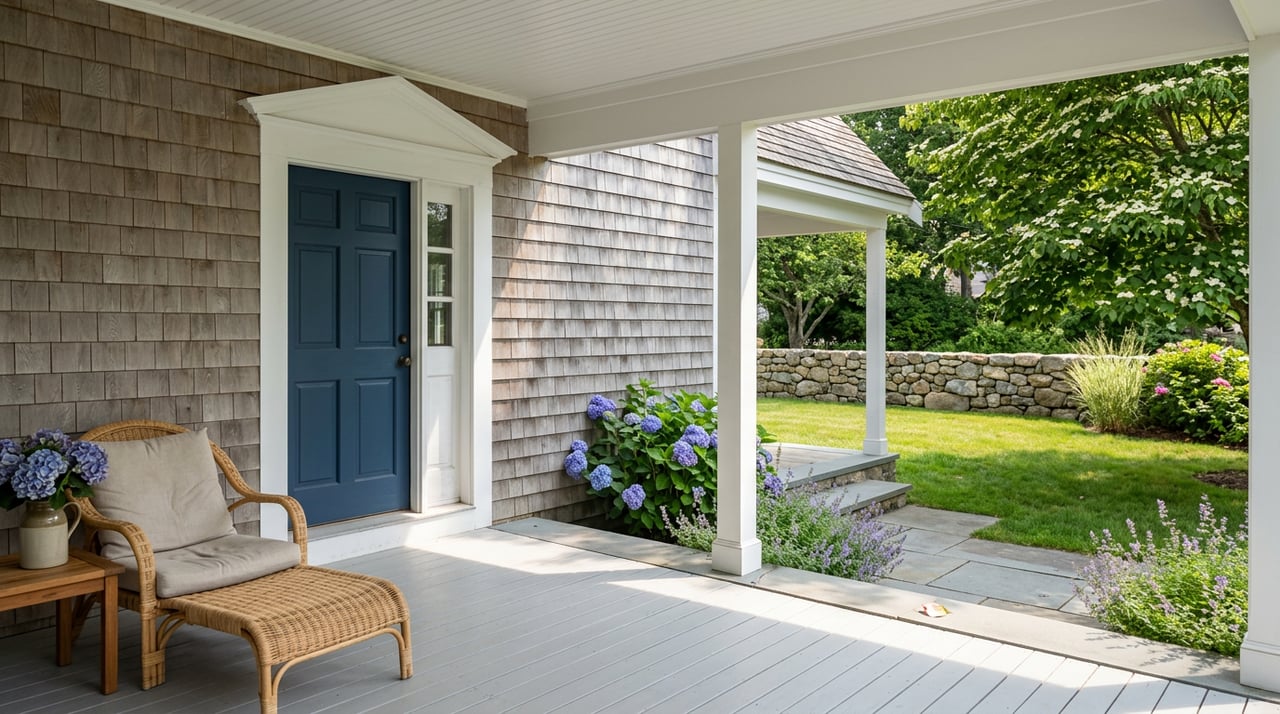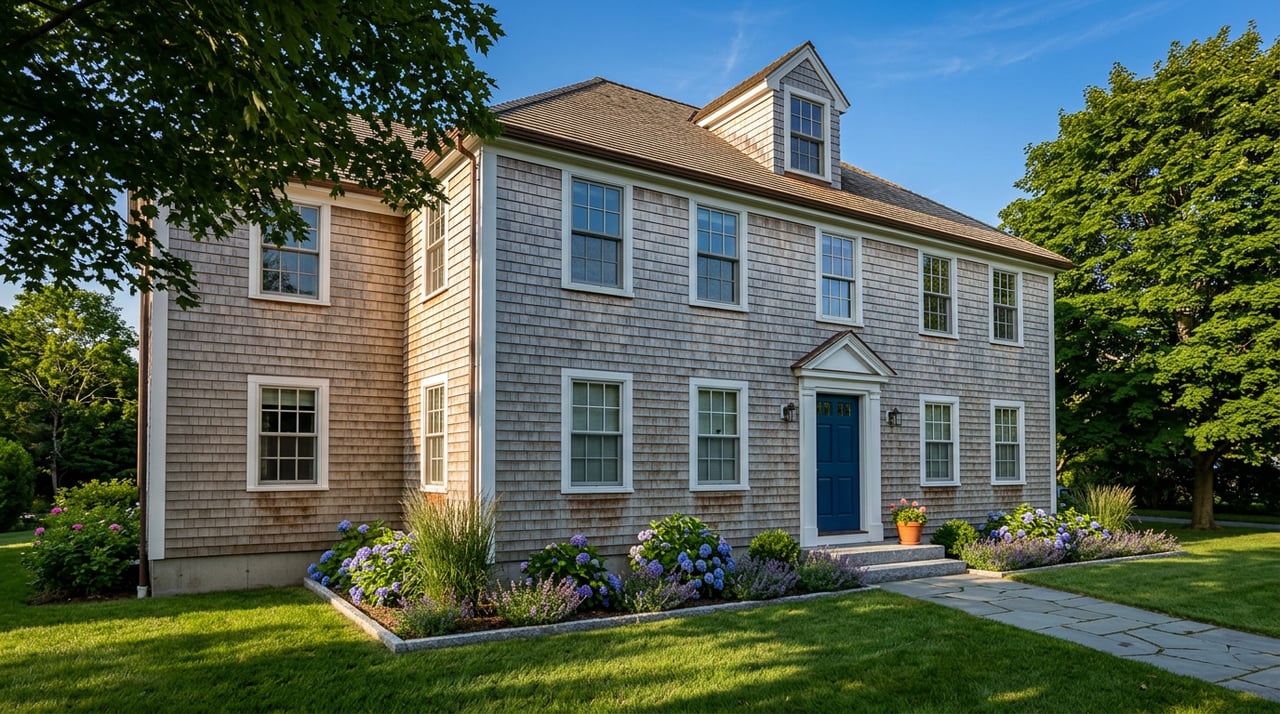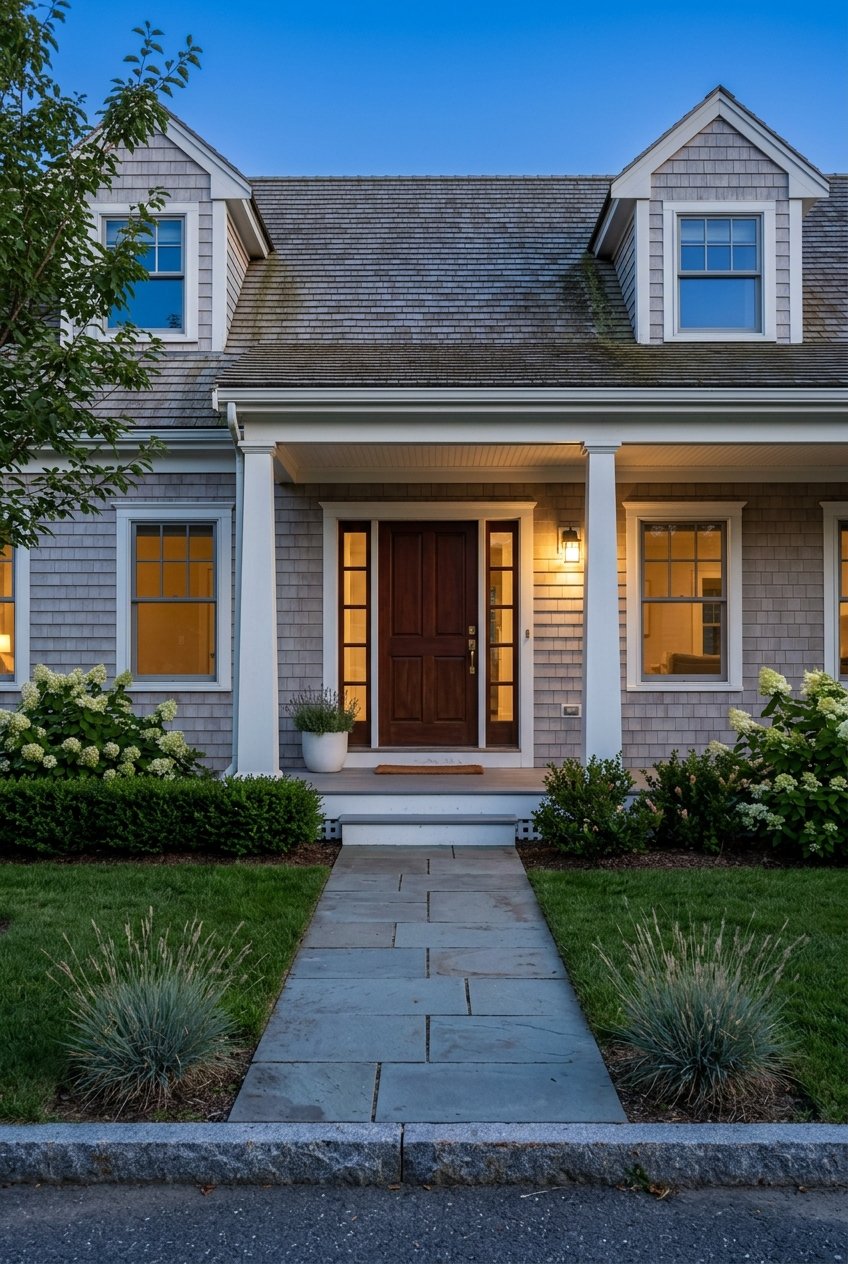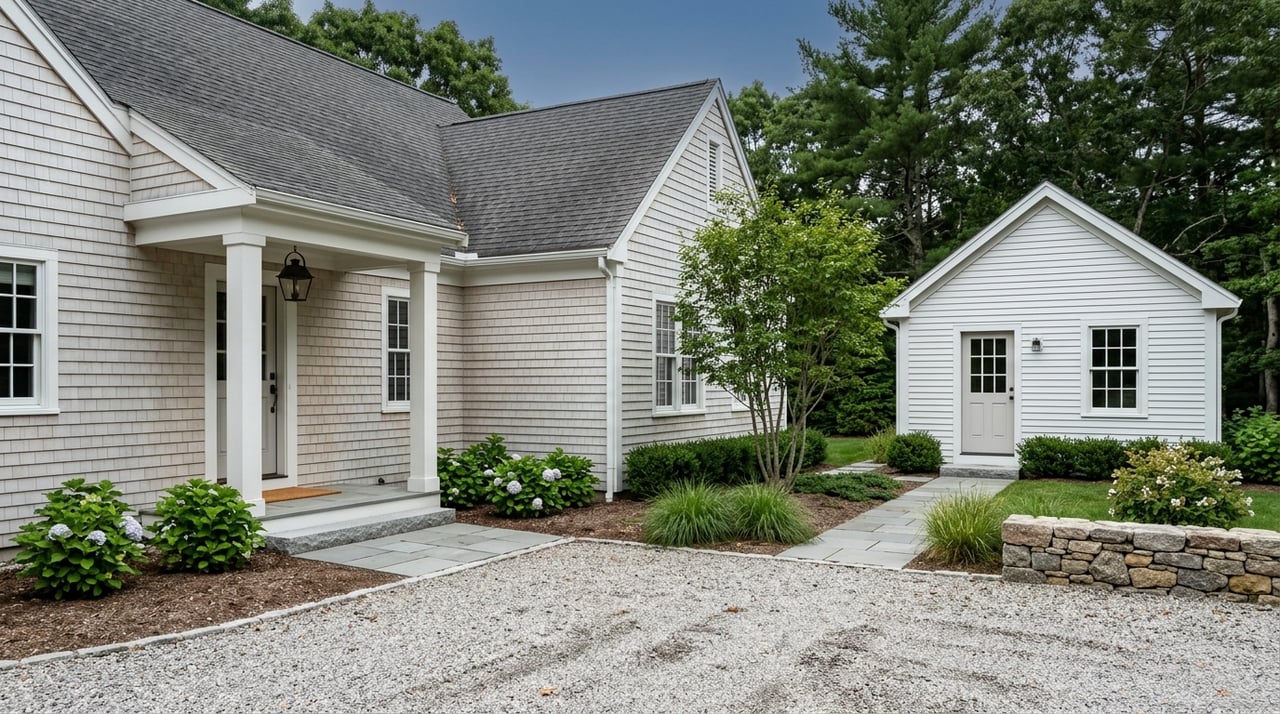
Selling a longtime family home can feel like sorting through years of memories and decisions all at once. If you are preparing a house in Wareham for sale, you may also be balancing practical questions about repairs, paperwork, clean-out, and timing. The good news is that a clear plan can make the process feel much more manageable and help you present the home with confidence. Let’s walk through the steps that matter most.
Start With Ownership and Timing
Before you schedule repairs or photos, make sure you know who has the legal authority to sell the property. If the home is part of an estate, Massachusetts Probate and Family Court handles wills, estates, trusts, and related matters, and the state recognizes several probate paths depending on the situation.
Massachusetts guidance says the general rule is that an estate must be probated within 3 years of death, though exceptions can apply. If title is unclear or ownership has not been fully settled, it is smart to confirm authority early so listing and closing plans do not get delayed.
Understand Wareham Market Conditions
Wareham remains an active market, but buyers still pay close attention to condition and presentation. Recent market snapshots showed rising home prices and relatively short days on market, with Redfin reporting a median sale price of $529,683 and about 22 days on market for the three months ending May 2026, while Realtor.com described Wareham as a seller’s market in March 2026 with homes selling around asking price on average and a median 32 days on market.
Those numbers come from different time periods and methods, so the exact figures vary. Still, they point to the same takeaway: your home does not need to be perfect, but thoughtful preparation and realistic pricing can make a real difference.
Focus on Wareham-Specific Property Issues
Wareham’s coastal setting can shape what buyers notice during showings and inspections. The town has about 54 miles of coastline along with extensive inland wetlands, which means moisture control, drainage, stormwater flow, and basement dampness are especially important areas to review in an older home.
If your family home has a basement, crawl space, older windows, or long-standing yard drainage issues, look closely at those areas before listing. Addressing visible moisture concerns, improving airflow, and making sure gutters and grading are working as they should can help reduce buyer hesitation.
Handle Repairs Before Listing
A longtime home often has a mix of completed projects, half-finished updates, and work done years ago. In Wareham, the Inspectional Services Department oversees building, plumbing and gas, electrical, and related permit work, and the town states that inspections are not scheduled until the permit has been paid and issued.
That makes early review important. If you know of unfinished work or are unsure whether past updates were properly permitted, it is better to sort that out before buyers begin asking questions.
Repairs Worth Prioritizing
Focus first on issues that can affect safety, financing, inspections, or buyer confidence. In many longtime homes, these are the items that matter most:
- Active leaks or signs of water intrusion
- Electrical, plumbing, or heating concerns
- Missing handrails or obvious safety issues
- Broken windows, damaged doors, or nonworking fixtures
- Peeling paint or deferred exterior maintenance
- Unfinished or questionable past renovation work
Cosmetic updates can help, but practical fixes usually deliver the strongest value during pre-listing prep.
Check Smoke and CO Alarm Compliance
Massachusetts requires sellers to obtain a certificate of compliance from the local fire department showing that smoke and carbon monoxide alarms meet sale or transfer requirements. The state also notes that homes must have working smoke and CO alarms on the appropriate levels.
For older homes, some battery-operated smoke alarms may need to be replaced with 10-year sealed-battery, photoelectric units with a hush feature. Because the exact requirements depend on the home’s age and the date of the last permit, it helps to start this step early rather than waiting until closing is near.
Plan for Septic If Applicable
If the property uses a septic system instead of municipal sewer, Title 5 can become one of the most important pieces of the sale timeline. Massachusetts DEP says septic inspections are generally required within 2 years before a sale, and the inspection report must be submitted within 30 days.
If you do not already have a recent report, schedule this early. An inspection completed for a sale is generally good for 2 years, and weather can affect timing, so waiting too long can create avoidable stress.
Prepare for Lead Paint Rules
If the home was built before 1978, lead paint notification rules apply. Massachusetts and federal requirements state that the Property Transfer Lead Paint Notification must be given before the purchase and sale agreement is signed, along with any known records or reports and the buyer’s opportunity to have a lead inspection or risk assessment.
This does not mean you must renovate the home before listing. It does mean you should gather any records you have and be ready to provide the required notice at the right point in the transaction.
Make Clean-Out More Manageable
One of the hardest parts of selling a longtime family home is deciding what stays, what goes, and what needs more time. A house filled over decades can feel overwhelming, so it helps to break the work into small, clear categories instead of trying to do everything at once.
Start with documents, heirlooms, photos, and clearly personal items. Then move room by room through furniture, kitchen items, clothing, storage spaces, and outdoor areas.
Use Wareham Disposal Options Wisely
Wareham’s local services can help with the physical side of the clean-out. The town’s transfer station accepts household residential waste only and requires a valid transfer-station sticker.
The bulky-item program can handle items such as couches, chairs, tables, bikes, fridges, and stoves. It does not accept construction debris, toilets, mattresses, or box springs, and hazardous waste disposal is available on a Hazardous Waste Day held once a year.
Simple Clean-Out Strategy
A practical system can keep the process moving:
- Keep: items staying with you or another family member
- Donate: usable items you no longer need
- Dispose: items that cannot be reused
- Store short term: family items that need a later decision
- Document: anything that may matter to the buyer, such as appliance manuals or service records
Reduce Clutter Without Erasing Character
A family home should feel clean and open, but it does not have to lose its warmth. Your goal is to help buyers see the space, the natural light, and the home’s layout without being distracted by crowded surfaces or overfilled rooms.
Clear excess furniture where possible, open up walkways, and remove anything that makes rooms feel smaller than they are. A few well-chosen pieces and simple decor usually show better than a home that feels too full.
Gather the Right Paperwork
When a market moves at a steady pace, being organized helps you respond with less stress. Massachusetts consumer guidance notes that brokers must present all offers to the seller, so once your home is listed, things can move quickly.
Before showings begin, gather key information in one place. This can make buyer questions easier to answer and help the transaction move more smoothly.
Helpful Documents to Organize
- Utility information n- Keys, garage remotes, and access codes
- Appliance manuals and warranties
- Repair receipts and service records
- Septic documents, if applicable
- Lead paint records, if applicable
- Permit and inspection paperwork
Think Carefully About Pricing
When a home has been in the family for many years, pricing can feel personal. Buyers, however, will compare your property to current market conditions, visible updates, deferred maintenance, and competing homes in Wareham.
That is why preparation and pricing work best together. A well-prepared home with fewer unknowns often creates stronger buyer confidence than a similar home that feels uncertain or unfinished.
Create a Calm Selling Plan
Most longtime-home sales follow the best path when you work in a simple order. Finish important repairs, take care of compliance items, clear out what you do not need, gather records, and then bring the home to market with a clean presentation and a pricing strategy that reflects today’s conditions.
This process can be emotional, but it does not have to feel chaotic. With steady guidance and a step-by-step plan, you can move from uncertainty to clarity and make thoughtful decisions at each stage.
If you are getting ready to sell a longtime family home in Wareham, working with a local broker who understands both the market and the emotional side of the process can make all the difference. For calm, knowledgeable guidance and a clear plan tailored to your home, reach out to Diana Martin.
FAQs
What should you do first when selling an inherited home in Wareham?
- First, confirm who has legal authority to sell the property and whether probate or title issues need to be resolved before listing.
What repairs matter most before listing a longtime family home in Wareham?
- Focus on safety, moisture issues, active leaks, major systems, and any unfinished or unpermitted work that could affect inspections or buyer confidence.
Does a Wareham home need a smoke and CO alarm inspection before sale?
- Yes, Massachusetts requires sellers to obtain a certificate of compliance from the local fire department showing smoke and carbon monoxide alarms meet transfer requirements.
When is a septic inspection required for a home sale in Wareham?
- If the property has a septic system, Massachusetts DEP says a Title 5 inspection is generally required within 2 years before the sale, with the report submitted within 30 days.
Do pre-1978 homes in Wareham need lead paint disclosure?
- Yes, sellers must provide the required Property Transfer Lead Paint Notification, along with any known records or reports, before the purchase and sale agreement is signed.