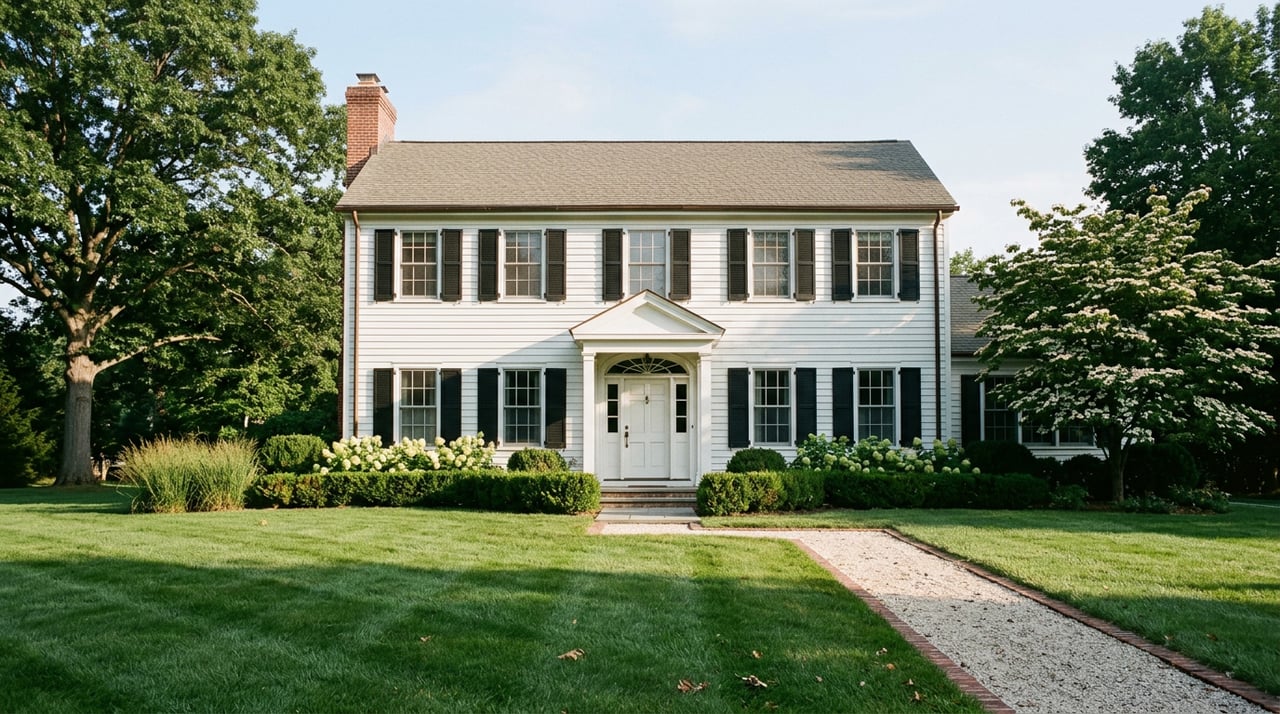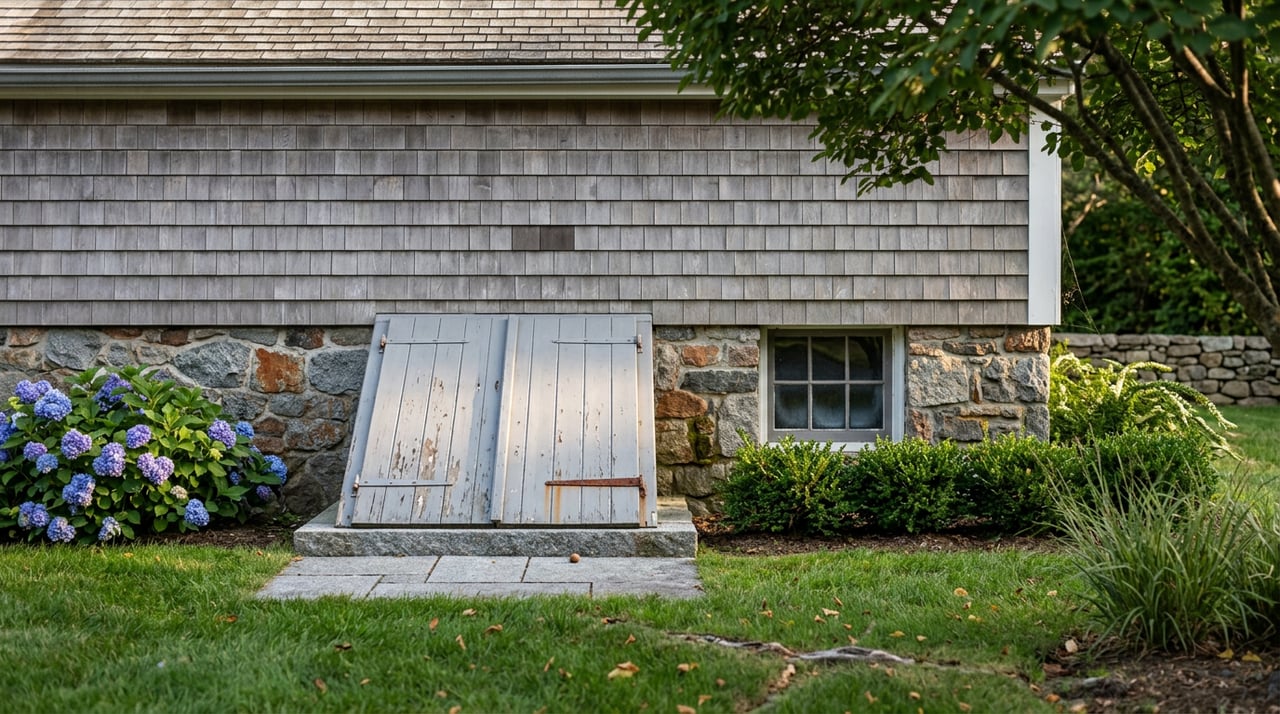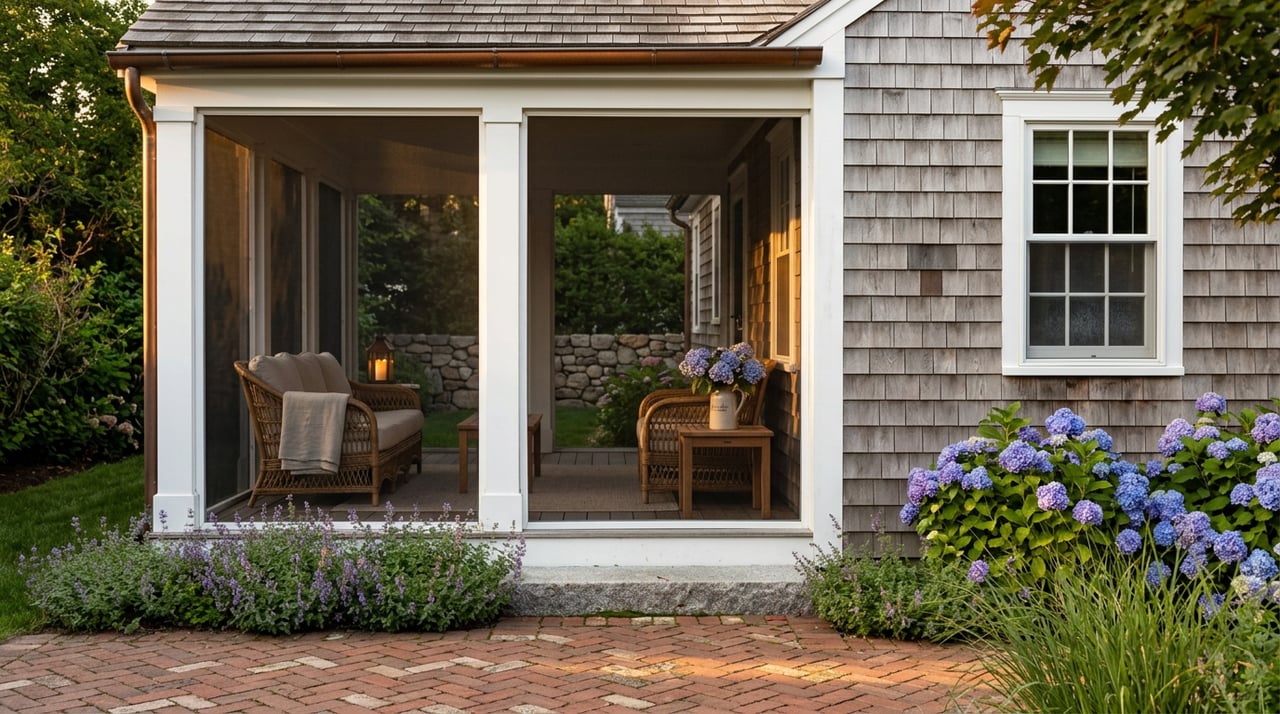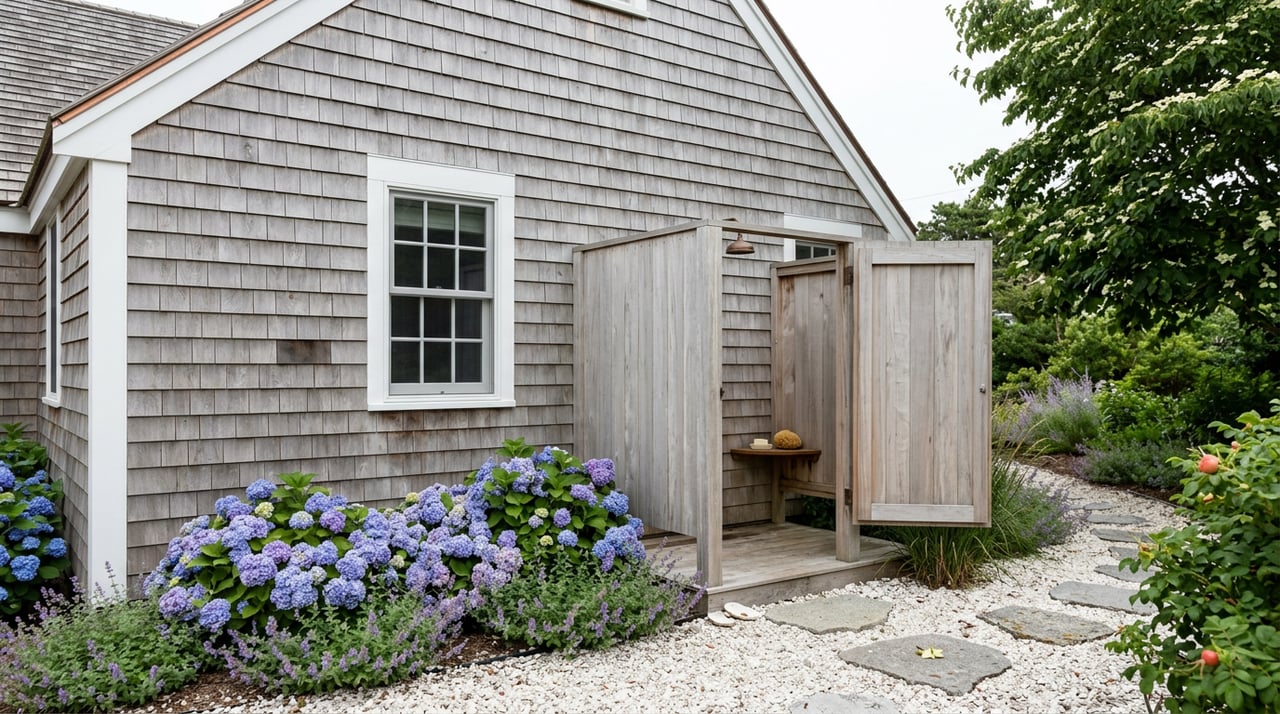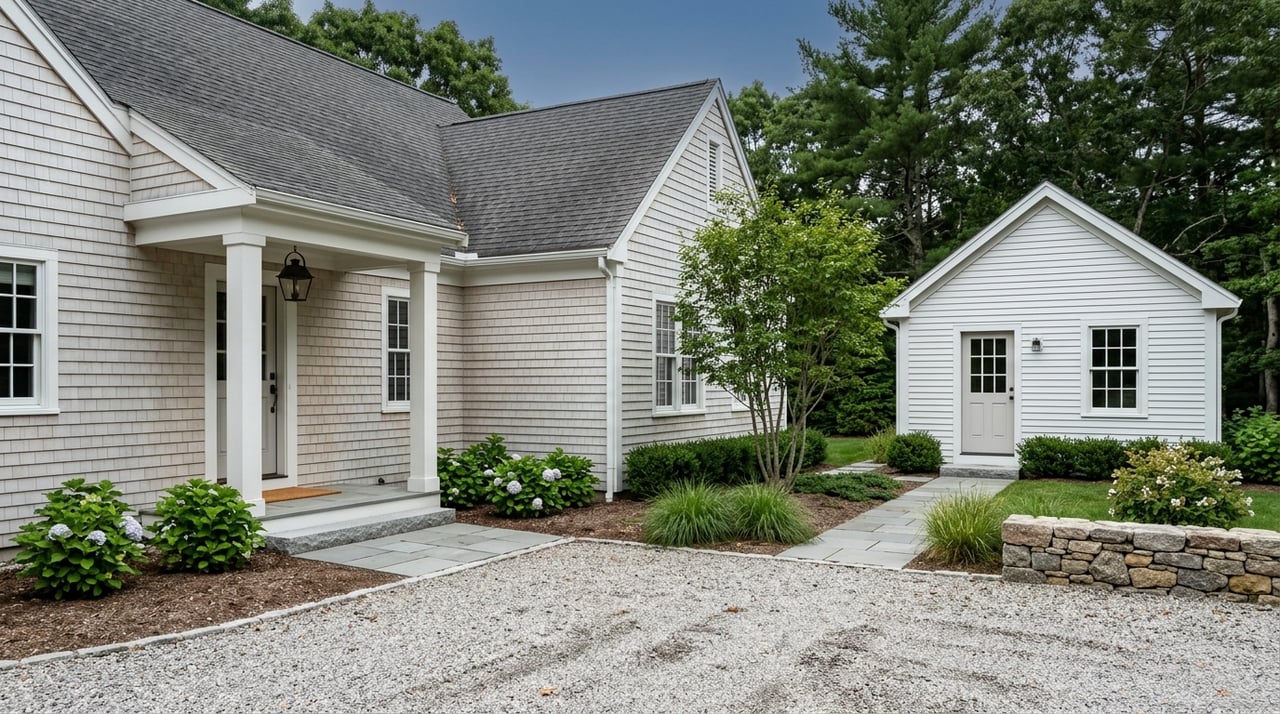
Wondering whether a multigenerational home in Rochester will truly work for your family, or just look good on paper? That is a smart question to ask before you fall in love with extra square footage or a finished lower level. In a town where rural lots, septic systems, and permit history can shape what is actually possible, the right home needs more than just space. Here’s what to look for so you can buy with more clarity and confidence. Let’s dive in.
Why multigenerational living matters in Rochester
Rochester is a town where flexibility matters. Census QuickFacts show an 88.1% owner-occupied housing rate, a median owner value of $599,100, and 2.61 persons per household. The population also includes 20.1% residents under 18 and 20.1% age 65 and older, which helps explain why homes that support both younger and older family members can be so useful.
Multigenerational living is also common more broadly. Pew estimated that 59.7 million people in the U.S. lived in multigenerational households in 2021, often because of financial pressure or caregiving needs. In Rochester, that need for flexibility meets a housing landscape shaped by rural-residential development patterns, larger lots, and infrastructure limits.
Prioritize a layout with privacy
A strong multigenerational home usually works best when everyone can be together without feeling crowded. You should look for a layout that gives each household some privacy while still keeping shared spaces comfortable and connected. That might mean a separate wing, a finished lower level, or an attached suite with its own entrance.
Ground-floor sleeping and bathing space can be especially helpful. It gives you options for aging relatives, long-term guests, or anyone who wants to avoid stairs. Even if you do not need that setup today, it can add useful flexibility later.
Massachusetts allows accessory dwelling units, or ADUs, to be internal, attached, or detached. That means you can compare homes based on how much independence the secondary space offers and how much day-to-day overlap your household wants.
Look for rooms that can change over time
The best multigenerational homes are not overly rigid. A room that works as a guest room today might become a home office, caregiver room, or hobby space later. That kind of flexibility matters because family needs often shift over time.
When you tour homes, ask yourself whether the layout supports several future uses. A property that can adapt will usually serve you better than one built around only one short-term plan.
Check whether the extra space is legal
This is one of the most important parts of your search. A finished basement, bonus room over a garage, or separate wing may seem perfect, but that does not automatically mean it is approved for residential use. Before you count on that space for a family member, you should verify that it has a clear permit trail.
Massachusetts says protected-use ADUs up to 900 square feet are allowed by-right in single-family zoning districts, but local permitting and code review still apply. As of February 2, 2025, local zoning rules that conflict with the state ADU law are unenforceable, though towns may still apply reasonable rules around setbacks, height, site plan review, and short-term rentals.
In practical terms, that means property-specific review still matters. A home may have the right physical space, but legal use depends on records, approvals, and code compliance.
Ask for these records early
Before you get too far into a purchase, ask for documentation that helps confirm what is legal and what may need more review.
- Building permit history
- Septic records or as-builts
- Confirmation that lower-level, garage, or detached space was approved for residential use
- Any records tied to additions, expansions, or occupancy changes
Rochester’s Building Department notes that additions to a dwelling and new residential construction must use the state building permit application and include two hard-copy construction plans. That makes permit history an important part of your due diligence.
Pay close attention to septic capacity
In Rochester, septic can be one of the biggest hidden issues in a multigenerational purchase. If you plan to add living space, change how existing space is used, or rely on a suite for regular occupancy, the septic system needs to support that plan.
The Board of Health says septic inspections are required before any change in use or expansion that needs a building or occupancy permit. Those inspections are meant to confirm the system can handle the added flow. MassDEP guidance also says a homeowner may need a septic upgrade to comply with Title 5 and local regulations.
That is why septic records matter just as much as square footage. A home may seem like a great fit, but if the system cannot support the intended use, your renovation budget and timeline could change quickly.
Evaluate the lot, not just the acreage
Rochester’s setting is a big part of its appeal, but it also changes how you should assess a property. The town’s master plan says the Agricultural-Residential district covers 97% of the land area, and planning materials note that limited sewer and water infrastructure constrain smaller-lot development. In other words, land here is often generous on paper, but the usable portion of the lot is what matters most.
You should look beyond the listing’s acreage figure and ask how the site actually functions. Buildable area, setbacks, upland requirements, and the placement of existing structures can all affect whether a property supports your long-term plans.
Think through outdoor daily life
A multigenerational home often needs yard space that can absorb more activity than a typical single-household setup. You may want room for outdoor seating, pets, play, gardening, or simply enough space so different generations do not feel on top of each other.
Rochester zoning rules also show that setbacks and buildable-area requirements can shape where additions or accessory buildings can go. That means a large yard does not always equal easy expansion. It is worth checking what the lot can realistically support before you assume there is room to grow.
Make parking and access part of the decision
Parking is easy to overlook until you imagine daily life with multiple drivers, visitors, and winter weather. In Rochester, it deserves early attention. The town’s general zoning requirements say any dwelling constructed must have a driveway with a minimum dimension of 40 feet by 8 feet.
If a property involves a common driveway, the Agricultural-Residential District also regulates those arrangements through special permits, easements, and shared maintenance obligations. For multigenerational buyers, that can affect convenience, cost, and access.
Questions to ask about access
As you compare homes, consider practical issues like these:
- Is there enough room for several vehicles?
- Can guests park without blocking others?
- Is there space for turning around safely?
- Where will snow be stored in winter?
- Will shared driveway terms affect day-to-day use?
These details may sound small, but they can have a big impact on how smoothly the home works for everyone.
Focus on long-term flexibility and resale
The most appealing multigenerational homes are often the ones that can do more than one job well. Today, you may need a private family suite. Later, that same space could function as guest quarters, a teen zone, a home office, or an aging-in-place setup.
That kind of flexibility can matter for resale too. Rochester’s housing stock is mostly owner-occupied, and while that is not a formal forecast of future demand, it does suggest that adaptable homes may continue to appeal to owner-occupant buyers.
The lowest-risk purchase is usually one where the extra space already fits the lot, has a clear permit trail, and does not depend on a difficult zoning exception. When a home checks those boxes, you have a better chance of enjoying it now and benefiting from its versatility later.
A smart Rochester home search starts with verification
In Rochester, a multigenerational home is about more than extra bedrooms. You are really evaluating how layout, privacy, legal use, septic capacity, parking, and lot function all work together. When those pieces align, the home is far more likely to support your family comfortably now and in the years ahead.
If you are thinking about buying in Rochester and want help comparing homes with an experienced local perspective, Diana Martin can help you look beyond the listing photos and focus on what truly fits your needs.
FAQs
What should you look for in a multigenerational home in Rochester, MA?
- Look for a layout with privacy, ground-floor living options, flexible rooms, adequate parking, usable outdoor space, and verified legal approval for any secondary living area.
Are accessory dwelling units allowed in Rochester, MA?
- Massachusetts allows one ADU by-right in single-family zoning districts, including internal, attached, or detached units, but Rochester properties still need local permitting and code review based on the specific site.
Why is septic so important for multigenerational homes in Rochester?
- Septic capacity can limit whether added living space or expanded occupancy is allowed, and Rochester Board of Health review may be required for changes in use or expansions needing building or occupancy permits.
How do Rochester lot rules affect multigenerational home plans?
- In Rochester’s rural-residential setting, setbacks, upland or buildable-area limits, and infrastructure constraints can affect where additions or accessory structures can go, so the usable lot matters more than acreage alone.
What records should you request before buying a multigenerational home in Rochester?
- Ask for permit history, septic records or as-builts, and confirmation that any finished basement, garage space, or separate suite was approved for residential use.