If you are looking for a South Coast town that feels connected to both the water and daily community life, Fairhaven deserves a closer look. Some places offer a pretty shoreline, while others offer a walkable center with local character, but Fairhaven brings those pieces together in a way that feels grounded and lived-in. Whether you are thinking about buying, selling, or simply getting to know the area better, understanding how life flows between the harbor and the village can help you see what makes this town distinct. Let’s take a closer look.
Fairhaven’s Coastal Identity
Fairhaven is a Bristol County town on Massachusetts’ South Coast with an estimated population of 16,110 as of July 2025. Town materials describe it as a place known for its scenic waterfront, historic landmarks, unique shops, and festivals. That combination helps explain why Fairhaven feels more like a town with its own rhythm than a pass-through coastal stop.
The local identity is shaped by both preservation and everyday use. Fairhaven maintains a Historical Commission, and that says a lot about how strongly local history is valued here. In practical terms, you see that history not just in landmark buildings, but in the way the civic center still anchors daily life.
Village Life in the Town Center
The heart of Fairhaven’s civic life is centered around Center Street and the surrounding blocks. Community events such as the Olde-Tyme Holiday Village have been held at Fairhaven Center, with activity spread across Town Hall, the Millicent Library, churches, and the Northeast Maritime Institute. That event pattern points to a center built around gathering places and civic institutions, not just storefronts.
This matters if you are thinking about lifestyle, not just location on a map. A town center like this often gives you a clearer sense of place, with public spaces and local institutions that stay part of everyday routines. In Fairhaven, that village feel appears to be woven into how residents experience the town year-round.
Historic Landmarks Shape Daily Life
Fairhaven Town Hall is one of the clearest examples of the town’s historic character. According to the town’s historic structures report, it was completed in 1892, designed by Charles Brigham, and added to the National Register of Historic Places in 1981. It is not just an old building, but part of the visible civic identity of the center.
The Millicent Library adds to that sense of continuity. Its 2025 annual report says the library has served residents for more than 130 years and was established in 1892 by Henry Huttleston Rogers. When institutions like these remain active parts of town life, they help create a setting that feels established and enduring.
Harbor Access Is Part of Everyday Life
In Fairhaven, the waterfront is not only scenic. It is part of the town’s day-to-day lifestyle. That is one of the biggest differences between simply living near the coast and living in a town where shoreline access is built into regular routines.
The harbor side of life shows up in recreation, boating access, and public waterfront spaces. For many buyers, that kind of access can shape how a town feels week to week, especially during warmer months when outdoor time becomes a bigger part of daily life.
Fort Phoenix Connects History and Recreation
Fort Phoenix State Reservation on Green Street is one of Fairhaven’s signature waterfront destinations. The state notes that it offers a beach, views of the barrier and hurricane barrier, historic Revolutionary War remains, free parking, and recreation options that include swimming, walking, running, tennis, pickleball, volleyball, basketball, and playground use. It is a strong example of how Fairhaven blends shoreline access with active public use.
The site also includes accessibility features such as a boardwalk and beach mat, beach wheelchairs, accessible restrooms, and accessible picnicking. That broadens who can comfortably enjoy the space and adds to its value as a community asset. For buyers comparing South Coast towns, places like Fort Phoenix can say a lot about how a town supports outdoor living.
Beaches and Parks Expand Your Options
Outdoor life in Fairhaven extends beyond one well-known beach. The town’s Parks and Grounds Division maintains major parks such as Cushman Park, Livesey Park, and Pease Park, along with athletic fields and historic sites including Fort Phoenix, Benoit Square, Cooke Memorial, and the Civil War and Veterans Memorials. That wider park network supports a more active and varied local routine.
The town’s open-space plan also describes West Island Town Beach as a sandy beach with about 3,000 feet of frontage. It notes that West Island and Sconticut Neck extend about 4.5 miles into Buzzards Bay. Seasonal and daily beach passes help manage access, which reinforces the idea that waterfront time is not occasional here, but part of regular town life.
The Working Waterfront Still Matters
Not every coastal town keeps a strong functional connection to the water, but Fairhaven does. The town’s marine-resources office manages shellfish, mooring, and dinghy permits, which points to a waterfront that is still used for more than views and leisure. That practical marine side adds another layer to the town’s identity.
Fairhaven’s waterways regulations list approved landing sites that include Pease Park Boat Ramp, Seaview/Goulart Boat Ramp, Hoppy’s Landing Boat Ramp, and Union Wharf. For residents, that means the harbor can be part of daily routines in a very real way. If you enjoy boating or want a town where marine use is still active and visible, that is a meaningful detail.
What the Housing Stock Looks Like
If you are considering a move to Fairhaven, the housing profile suggests a town that is established, largely owner-occupied, and shaped by single-family homes. Census QuickFacts shows a 74.4 percent owner-occupied rate. It also reports that 92.7 percent of residents lived in the same house one year earlier, which suggests relatively low turnover and a strong base of long-term residents.
That kind of stability can appeal to buyers who want a town with a settled feel. For sellers, it also helps explain why inventory and buyer interest may be influenced by limited churn. In towns where more people stay put, each new listing can attract close attention from buyers waiting for the right fit.
Common Home Types in Fairhaven
According to the town’s master plan, single-family homes predominate in Fairhaven. In its 2015 ACS snapshot, 73.5 percent of housing units were detached single-family homes, 3.1 percent were attached single-family units, 8.5 percent were two-family homes, 5.3 percent were three- or four-unit buildings, and 6.7 percent were in buildings with 10 or more units. That mix points to a market where detached homes are the standard, with some duplex and smaller multifamily options.
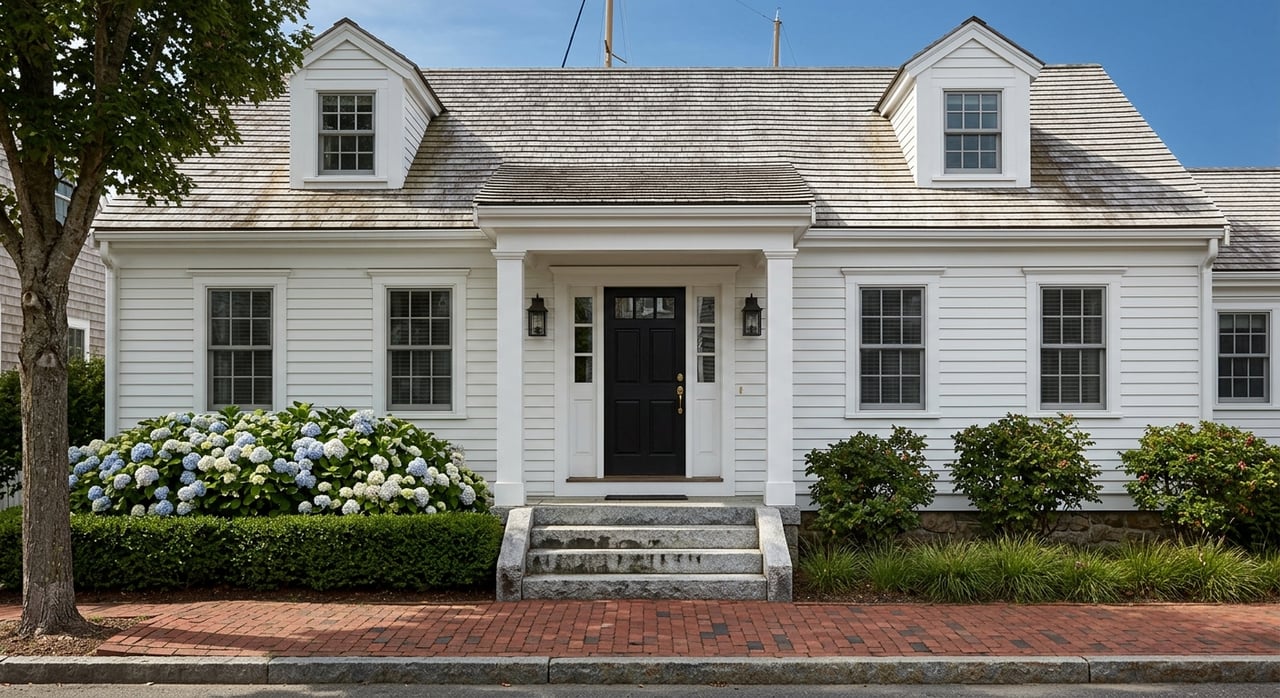
The same plan says nearly 40 percent of homes were built before 1940, with another meaningful share from the postwar period. That suggests many buyers should expect a mix of village-era homes, older neighborhood properties, and established residential areas rather than a dominant supply of newer construction. It also means character, condition, updates, and maintenance can vary meaningfully from one property to another.
Price and Cost Snapshot
QuickFacts reports a median owner-occupied home value of $446,700 in Fairhaven. The same source shows median monthly owner costs of $2,262 with a mortgage and $734 without one, along with a median gross rent of $1,118. Those numbers provide a useful general snapshot for anyone starting to compare Fairhaven with other South Coast communities.
Of course, individual homes can vary widely based on location, size, age, condition, and proximity to the waterfront or village center. Still, these broader figures help set expectations early in your search. They can also give sellers a clearer sense of the local ownership profile and the buyer pool likely to be active in town.
Why Fairhaven Feels Distinct
Fairhaven stands out because its defining features support each other. The historic center gives the town a strong civic core, while beaches, parks, and harbor access make outdoor life feel practical and immediate. Instead of choosing between village character and coastal living, you can see both working together here.
That balance is especially important if you are looking for a town that feels rooted, not generic. Official town materials consistently emphasize waterfront, history, and community events, and the recreation and marine resources information backs that up. Fairhaven reads as a place where local identity is visible in everyday life.
What Buyers and Sellers Should Notice
For buyers, Fairhaven offers a mix of established housing, public waterfront access, and a town center with real civic presence. If you value coastal scenery but also want daily conveniences and a stronger sense of place, that combination may be worth exploring. The housing stock also suggests you may need to compare homes carefully on age, updates, and layout, especially in older sections of town.
For sellers, the story of Fairhaven is one of its strongest assets. Buyers are not just evaluating square footage or bedroom count. They are also thinking about the lifestyle that comes with living near beaches, boat ramps, parks, and a historic village center. Presenting your home within that broader local context can help buyers better understand its value.
If you are considering a move in Fairhaven or nearby South Coast towns, working with a local broker who understands how lifestyle, location, and housing stock fit together can make the process feel much clearer. When you are ready for calm guidance and local insight, connect with Diana Martin.
FAQs
What is Fairhaven, MA known for?
- Fairhaven is known for its scenic waterfront, historic landmarks, unique shops, festivals, and a civic center shaped by longstanding public institutions.
What is the town center like in Fairhaven, MA?
- Fairhaven’s town center is focused around Center Street and nearby civic buildings, including Town Hall and the Millicent Library, creating a village-like setting for community life and events.
Does Fairhaven, MA have beach access?
- Yes. Fairhaven includes waterfront destinations such as Fort Phoenix State Reservation and West Island Town Beach, along with parks and shoreline access points managed by the town.
Is Fairhaven, MA good for boating and water access?
- Fairhaven has a functional marine side, with shellfish, mooring, and dinghy permits managed by the town and approved landing sites such as Pease Park Boat Ramp and Union Wharf.
What types of homes are common in Fairhaven, MA?
- Single-family homes are the most common housing type in Fairhaven, with additional two-family and small multifamily properties and many homes dating to before 1940 or the postwar period.
Is Fairhaven, MA mostly owner-occupied?
- Yes. Census QuickFacts reports that 74.4 percent of Fairhaven housing is owner-occupied, which suggests a relatively settled residential profile.