If you want a place where history is not tucked away in a museum and the waterfront is not just a backdrop, New Bedford stands out. You may be drawn to the city for its older homes, harbor views, or downtown energy, but it helps to understand how those pieces fit together before you buy. From historic architecture to working-port realities, this guide will help you see what daily life in New Bedford can really look like. Let’s dive in.
Why New Bedford Feels Distinct
New Bedford offers a mix that is hard to copy on the South Coast. Its preserved downtown and active harbor both shape everyday life, which gives the city a strong sense of place.
The New Bedford Whaling National Historical Park spans more than 13 city blocks, according to the National Park Service. The park highlights whaling-era history along with architecture, art, culture, immigration, women’s history, and Underground Railroad history. That means the city’s historic identity is woven into the streetscape, not separated from it.
At the same time, the harbor remains a major part of the local economy. The Port of New Bedford says it has been the nation’s top commercial fishing port by value since 2001 and home-ports more than 500 commercial scallopers and fishermen. Massachusetts also protects New Bedford-Fairhaven as a Designated Port Area to preserve water-dependent industrial activity.
For you as a buyer, that creates a very specific lifestyle picture. New Bedford can offer historic charm and coastal atmosphere, but it is also an active working waterfront with real commercial use.
Historic Homes You May Find
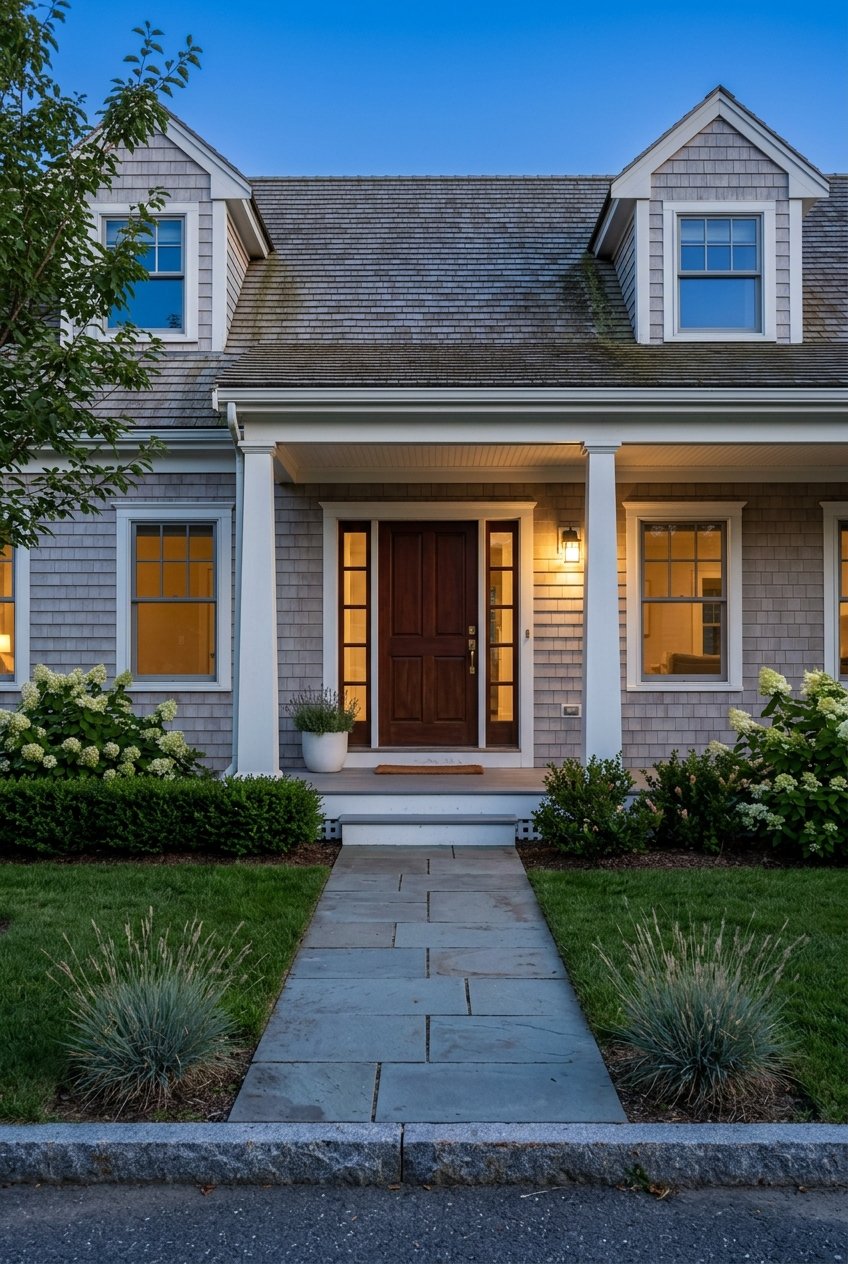
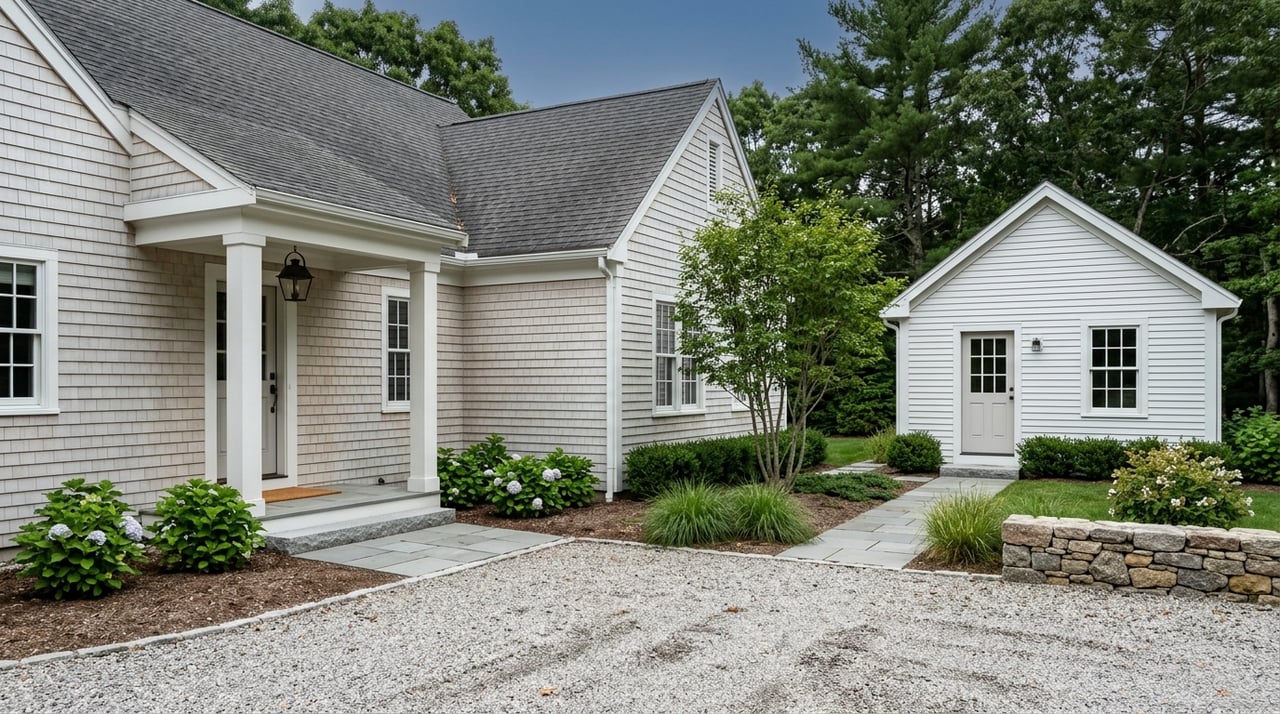
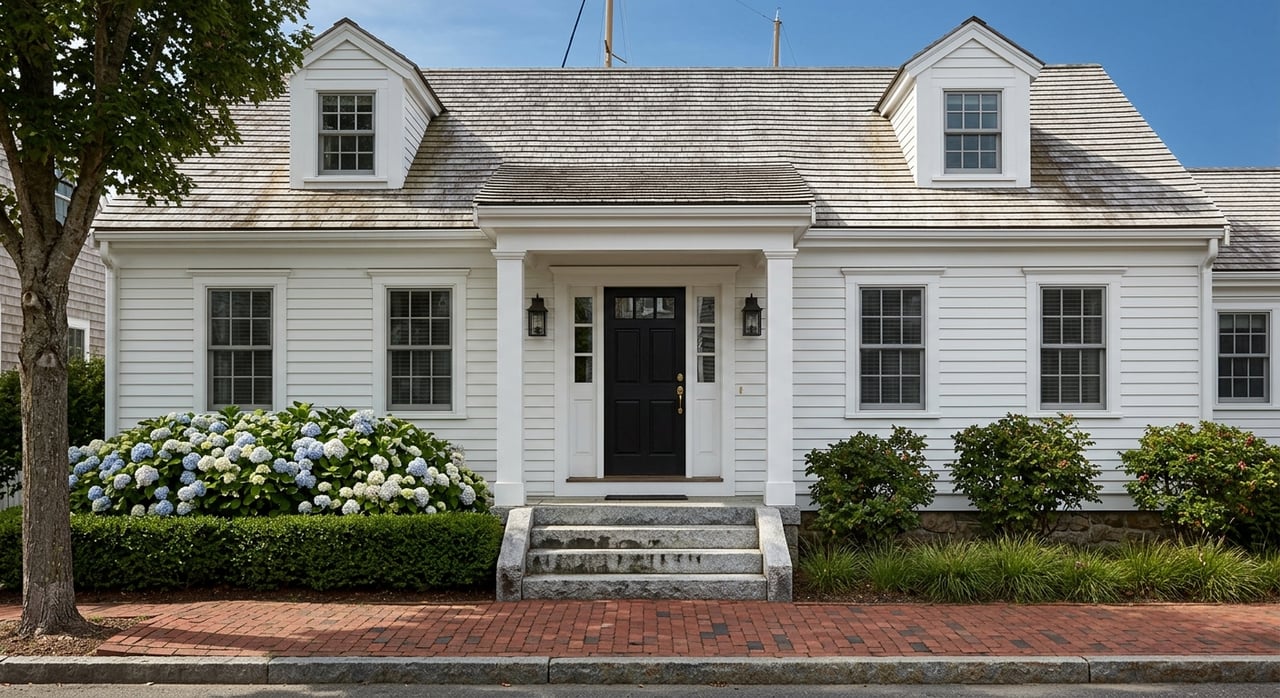
If you are searching for character, New Bedford has plenty of it. The city’s most recognizable historic homes and public buildings are concentrated around downtown and the County Street area, where earlier prosperity helped shape a rich architectural mix.
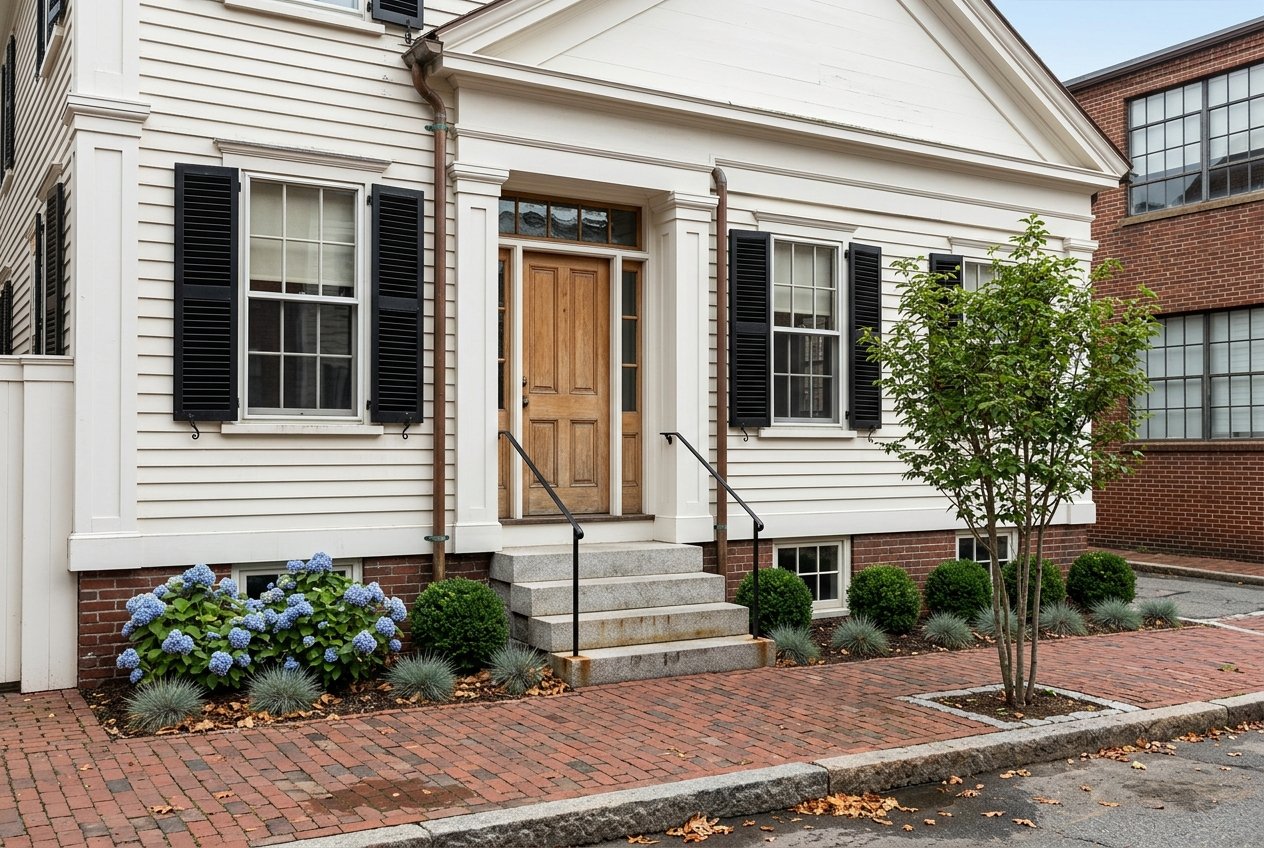
According to the National Park Service, common styles include Federal, Greek Revival, and Italianate architecture. Examples include the 1821 Federal-style Arnold Mansion, the 1834 Greek Revival Rotch-Jones-Duff House, the Nathan and Polly Johnson House with Greek Revival and Italianate features, and the 1836 Greek Revival U.S. Custom House.
What this means in practical terms is that New Bedford does not feel visually uniform. Instead, you will often find a layered streetscape with different periods and design details living side by side. For many buyers, that variety is part of the appeal.
Character Often Comes With Age
Many of New Bedford’s historic buildings are more than 100 years old, and some are older than 150 years, according to the city’s Historical Commission bulletin. Older homes can offer original details and a strong sense of place, but they also tend to reward careful upkeep.
That could mean paying close attention to materials, repair methods, and the condition of exterior features over time. If you love the charm of an older home, it is wise to balance that excitement with a realistic plan for maintenance.
What to Know Before Buying a Historic Home
Buying an older property can feel exciting, but it also comes with added decisions. In New Bedford, some homes may fall within historic areas where exterior work is more closely reviewed.
Massachusetts guidance on local historic districts says exterior changes may require Historic Commission approval when a property is within a historic district. The New Bedford Historical Commission bulletin also states that owners in the Bedford Landing-Waterfront Historic District should get approval before making exterior modifications.
That does not mean historic ownership is a bad fit. It simply means you should go in with clear expectations about what work may require review and how restoration choices may differ from a newer home.
Renovation Takes Planning
The city’s Historical Commission recommends using experienced craftspeople and appropriate materials when restoring historic structures. That guidance matters because repairs on older homes are not always straightforward.
If you are considering updates, it helps to ask early questions about permits, approvals, and the condition of original features. A thoughtful approach can help you preserve the home’s character while avoiding surprises.
Harbor Living Means More Than Water Views
Harbor living in New Bedford can be appealing for obvious reasons. You may enjoy proximity to the water, a strong maritime atmosphere, and a setting that feels deeply tied to the city’s identity.
Still, it is important to understand that this is not a decorative waterfront. The Port of New Bedford describes the harbor as one of the few marine industrial working waterfronts left on the East Coast, and visitors, recreational boaters, and commercial fishing activity all share the area.
So, does harbor living feel scenic or industrial? In New Bedford, it is often both. That blend is part of the city’s authenticity, and for the right buyer, it is exactly the draw.
Flood Planning Matters Near the Water
If you are buying near the harbor, flood risk should be part of your planning. FEMA says its Flood Map Service Center is the official source for community flood-risk information, and Massachusetts coastal guidance defines a 1 percent annual chance flood as a special flood hazard area.
That matters because homeowners insurance usually does not cover flood damage. For some waterfront or near-water properties, understanding flood zones early can help you make a more informed decision about costs and long-term ownership.
Everyday Life in New Bedford
New Bedford is not only about historic homes and waterfront industry. It also offers a dense mix of arts, culture, and day-to-day activity that gives the city energy beyond its housing stock.
Mass Cultural Council describes the Seaport Cultural District as a working-waterfront district with historic charm and dynamic creativity. It includes 49 cultural attractions and 29 creative-economy businesses, which is a notable concentration for a city this size.
That activity shows up in practical ways. The district includes museums, galleries, public art, boutiques, craft breweries, seafood, and global cuisine, along with recurring downtown programming that gives residents and visitors reasons to return.
A Walkable Cultural Core
The National Park Service notes that downtown includes Belgian-block lined streets, which adds to the area’s historic feel. The city’s central core blends short blocks, older buildings, and cultural destinations in a way that supports exploration on foot.
Local attractions highlighted by Mass Cultural Council include AHA!, the free monthly downtown cultural night, the New Bedford Art Museum, the New Bedford Whaling Museum, the New Bedford Historical Society, and the Zeiterion Performing Arts Center. The Zeiterion says it is New Bedford’s last operating theater and one of the region’s few large performing arts gathering places.
For buyers who want more than just a house, this kind of setting can add meaning to daily life. You are not just choosing a property. You are also choosing how you want your weekends, evenings, and routines to feel.
Getting Around Is Easier Now
Access matters when you are deciding where to live. New Bedford is more connected than it used to be, which may affect how you think about commuting and regional travel.
South Coast Rail service began on March 24, 2025, on the Fall River/New Bedford commuter rail line. SRTA also serves New Bedford as part of a 10-community bus network in southeastern Massachusetts.
For some buyers, those transportation options can make the city feel more practical as well as appealing. Better connectivity may support work routines, regional outings, and day-to-day flexibility.
Is New Bedford the Right Fit for You?
New Bedford can be a strong match if you want older-home character, cultural activity, and an authentic harbor setting. It is especially appealing if you value places that feel lived-in, layered, and tied to local history.
The tradeoff is that these benefits often come with added responsibility. Older homes may need more upkeep, exterior changes may require review in some historic areas, and harbor-adjacent properties may call for closer flood planning.
In other words, New Bedford is not about a simplified coastal image. It is about real texture, real history, and a waterfront that still works for a living. If that sounds like the kind of place you want to call home, it is worth taking a closer look with a local guide who understands the nuances.
If you are thinking about buying or selling on the South Coast and want calm, clear guidance tailored to your goals, connect with Diana Martin.
FAQs
What kinds of historic homes can you find in New Bedford, MA?
- You are likely to see Federal, Greek Revival, and Italianate homes and buildings, especially around downtown and the County Street area.
Do historic homes in New Bedford, MA cost more to maintain?
- Often yes. Older materials, custom repairs, and possible review for exterior changes can add time, cost, and planning to ownership.
Do you need approval for exterior changes on historic properties in New Bedford, MA?
- In some cases, yes. Exterior changes may require Historic Commission approval if a property is in a historic district, including guidance noted for the Bedford Landing-Waterfront Historic District.
What is harbor living like in New Bedford, MA?
- Harbor living can feel both scenic and industrial because New Bedford has an active working waterfront, commercial fishing activity, and shared use by visitors and recreational boaters.
Should waterfront buyers check flood zones in New Bedford, MA?
- Yes. Buyers near the harbor should review official flood-risk information early because standard homeowners insurance usually does not cover flood damage.
What makes daily life in New Bedford, MA appealing?
- Many buyers are drawn to the mix of historic streets, waterfront activity, museums, performing arts, dining, and recurring cultural events in and around the Seaport Cultural District.